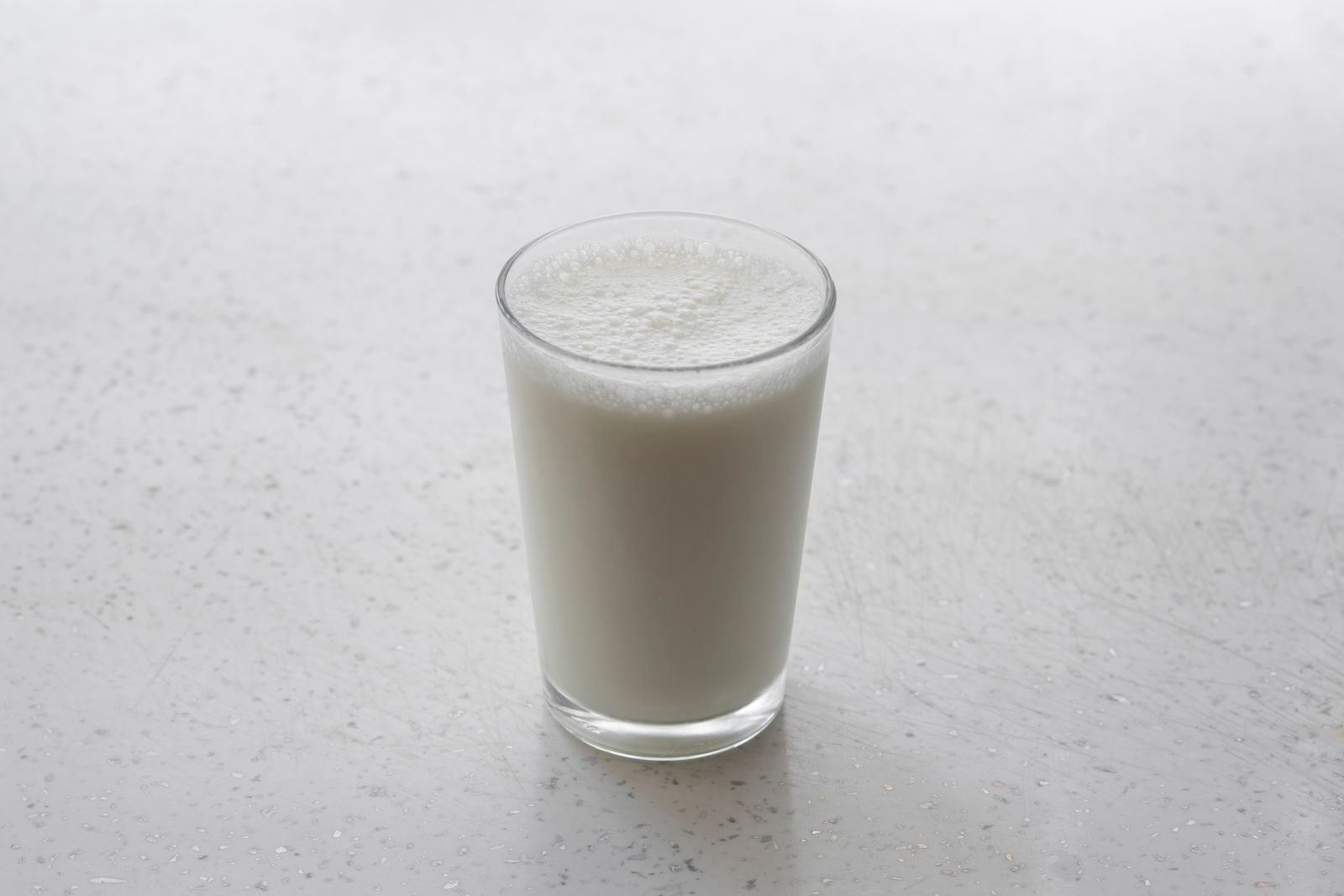
When Can Babies Have Cow's Milk?
Cow's milk as a drink waits until 12 months. Cow's milk in foods like yogurt and cheese is fine from about 6 months. Here is the difference, why it exists, and how much milk a toddler actually needs.
Read article →Practical guides on starting solids, allergens, choking prevention, and feeding small kids. Written by the TinyPlate Team, citing the AAP, CDC, and current research.
Cow's milk as a drink waits until 12 months. Cow's milk in foods like yogurt and cheese is fine from about 6 months. Here is the difference, why it exists, and how much milk a toddler actually needs.
Read article →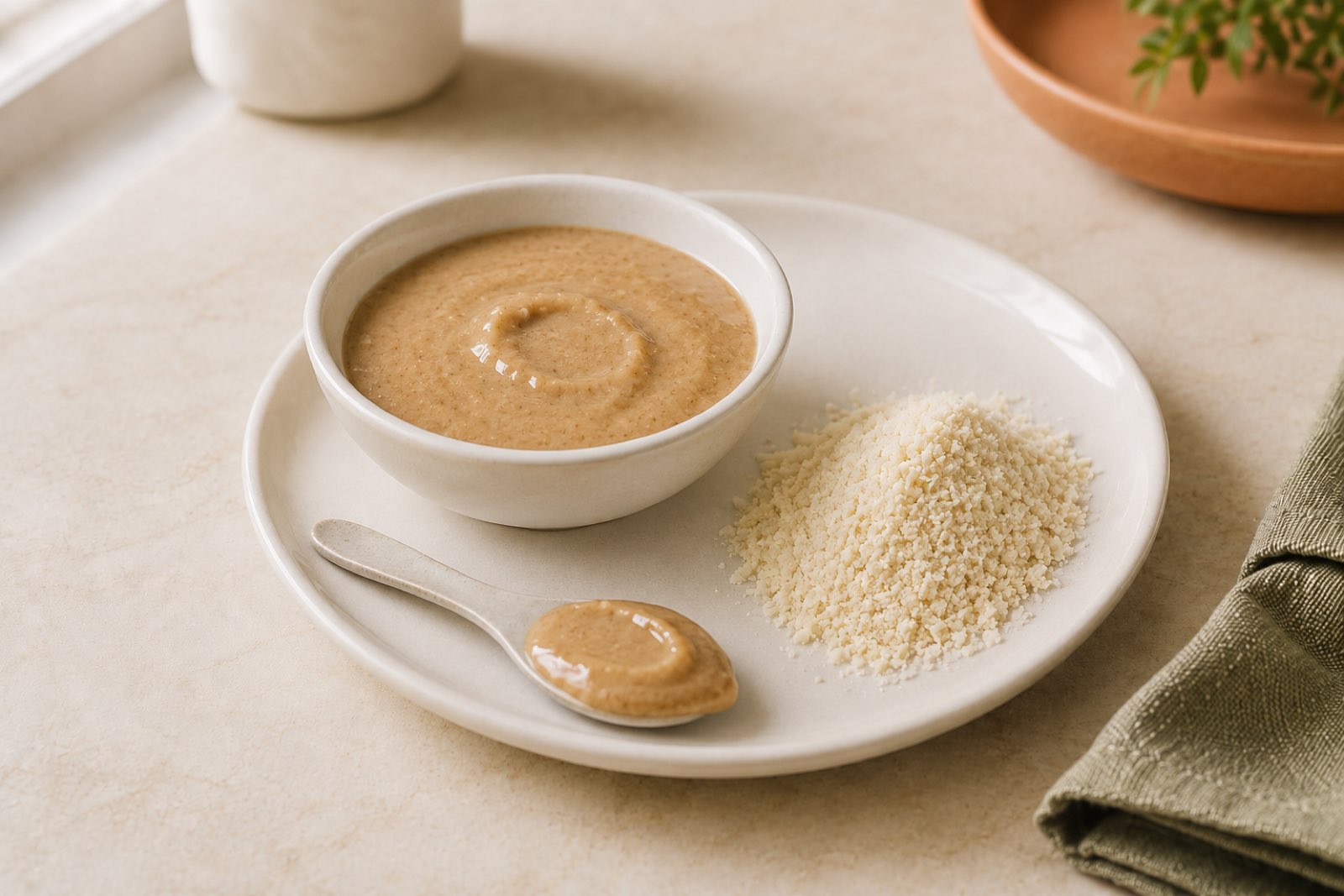
Tree nuts are a double hazard for babies: a top-9 allergen and a hard, round choking risk. Whole nuts are unsafe until at least age 4. Here are the forms that are safe, and how to introduce them early.
Read article →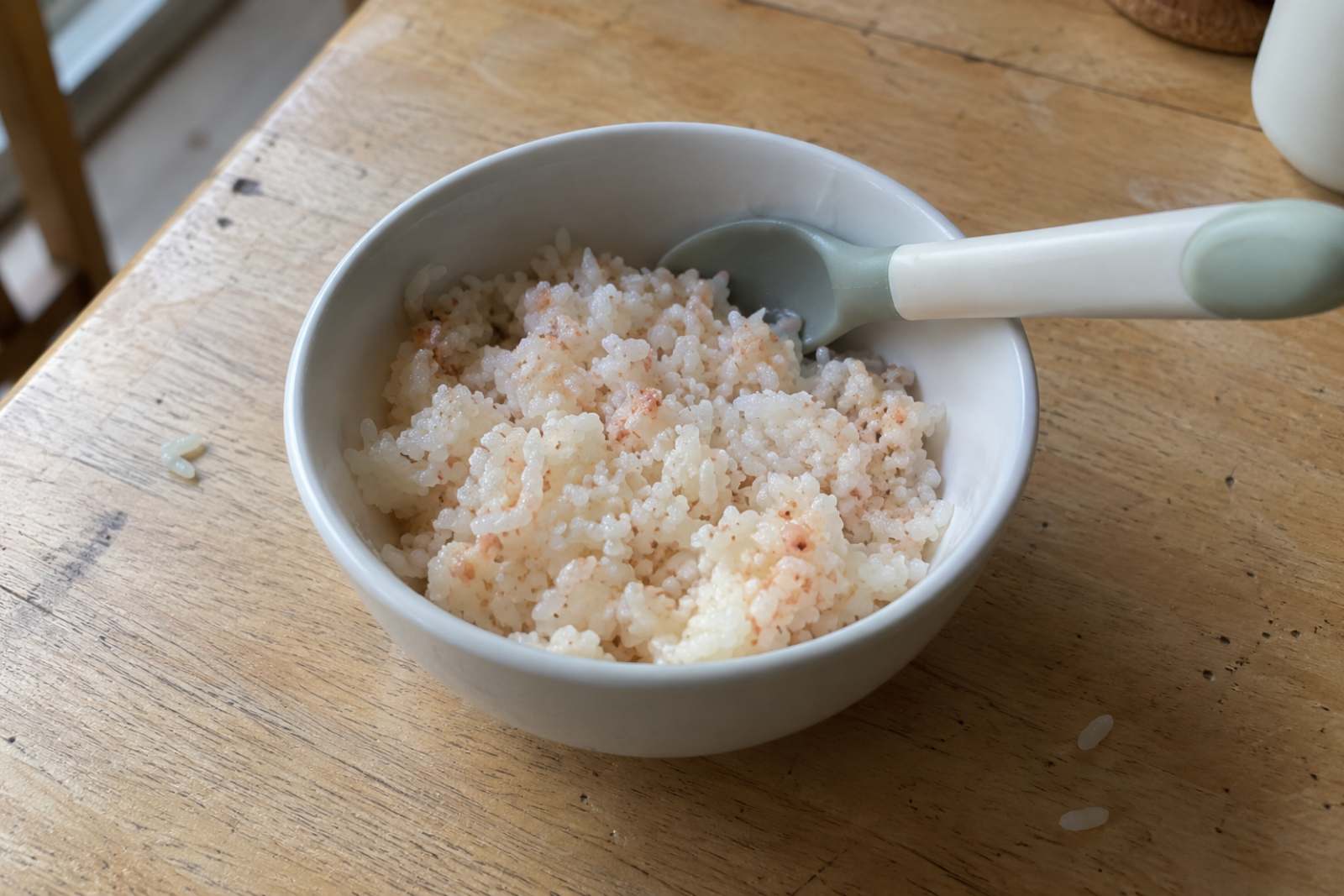
Shellfish is a top 9 allergen, and current pediatric guidance says not to delay it. Here is how to introduce shrimp, crab, and shellfish safely, plus why mercury is not the concern parents think it is.
Read article →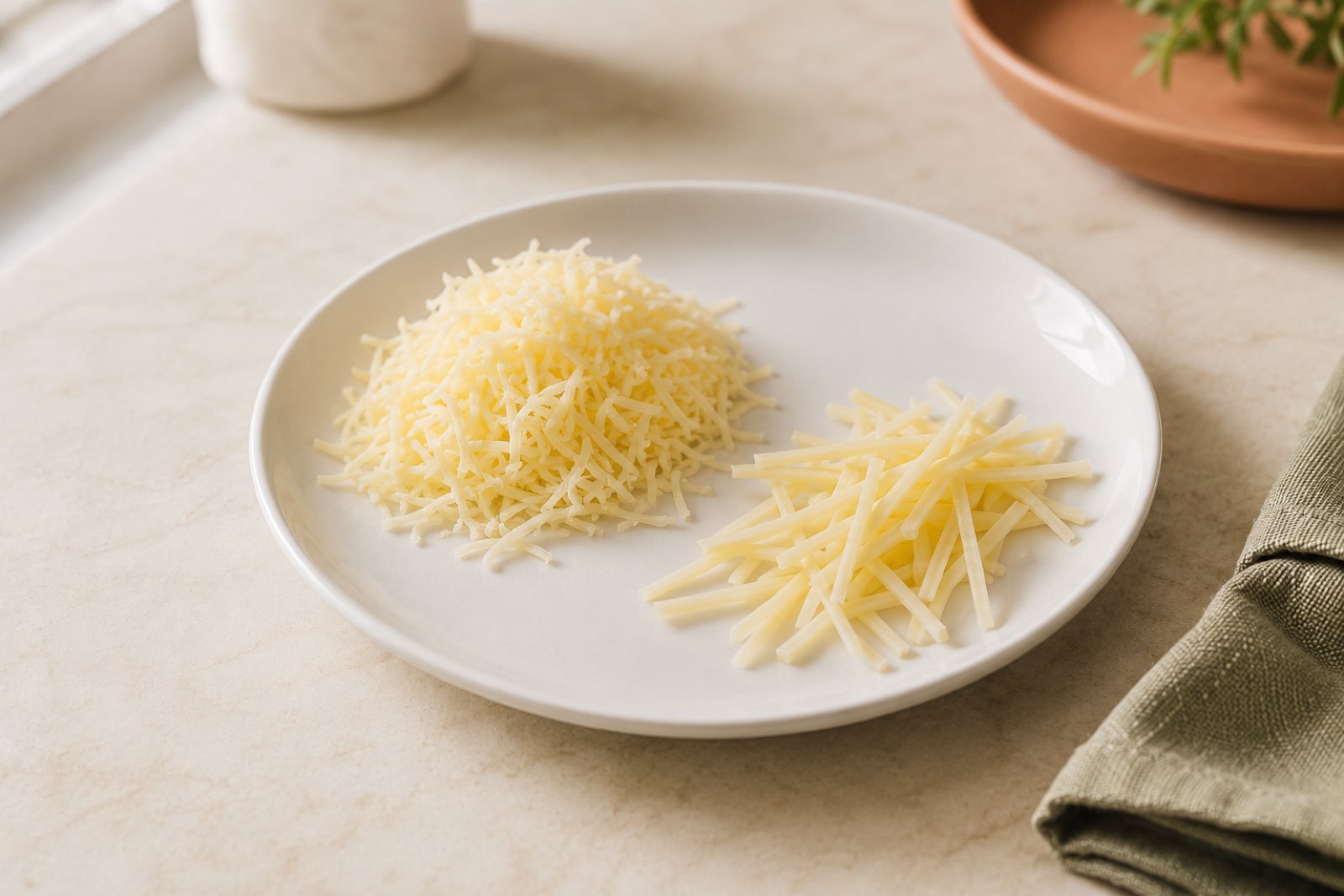
Pasteurized cheese can start around 6 months, long before cow's milk as a drink. Here is which types are safest, why cheese sticks and cubes are a choking hazard, and how much to serve by age.
Read article →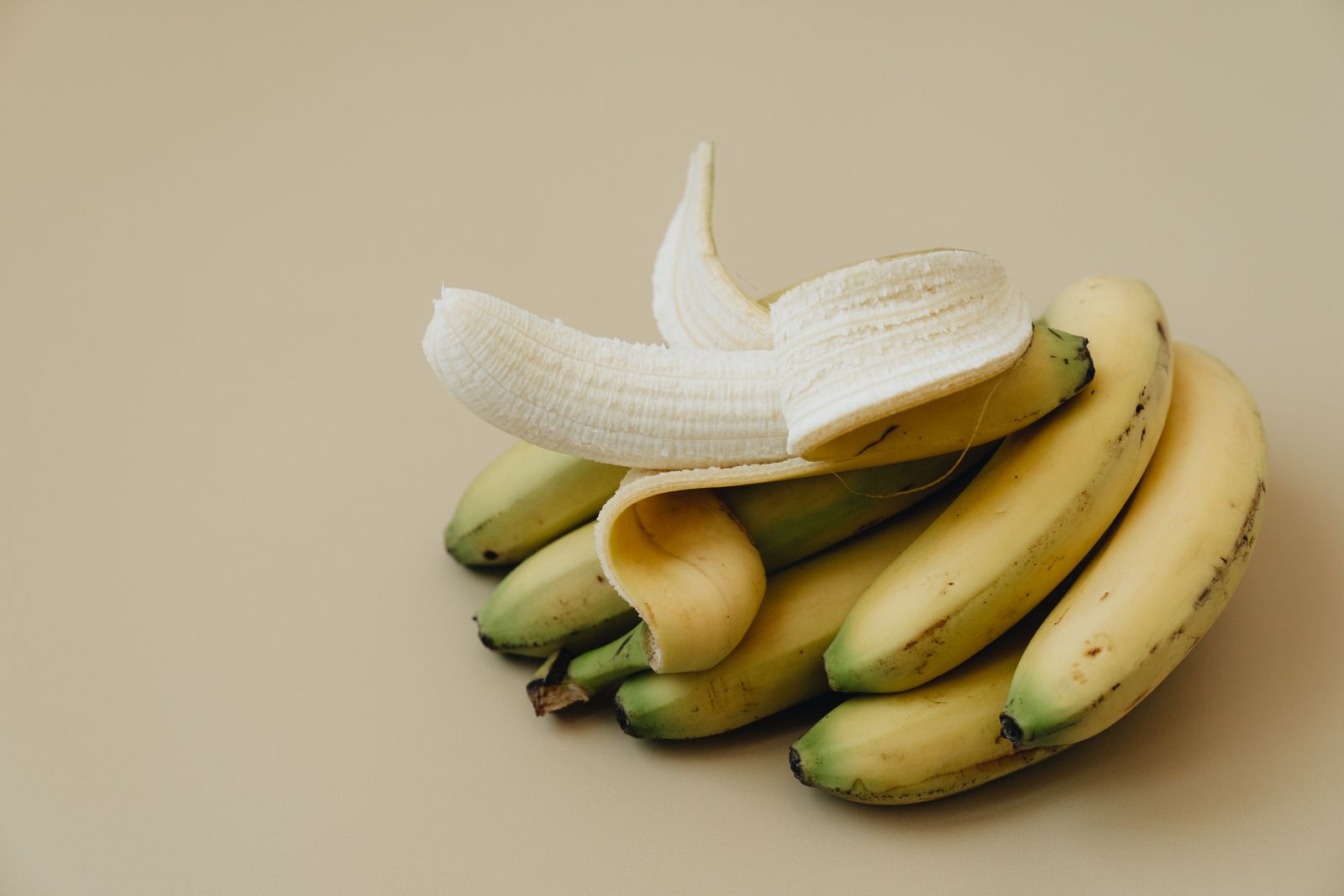
How to serve banana safely from 6 months on, including the baby-led weaning spear that uses the peel as a grip, why ripeness matters, an honest answer on the constipation question, and what banana cannot do for iron.
Read article →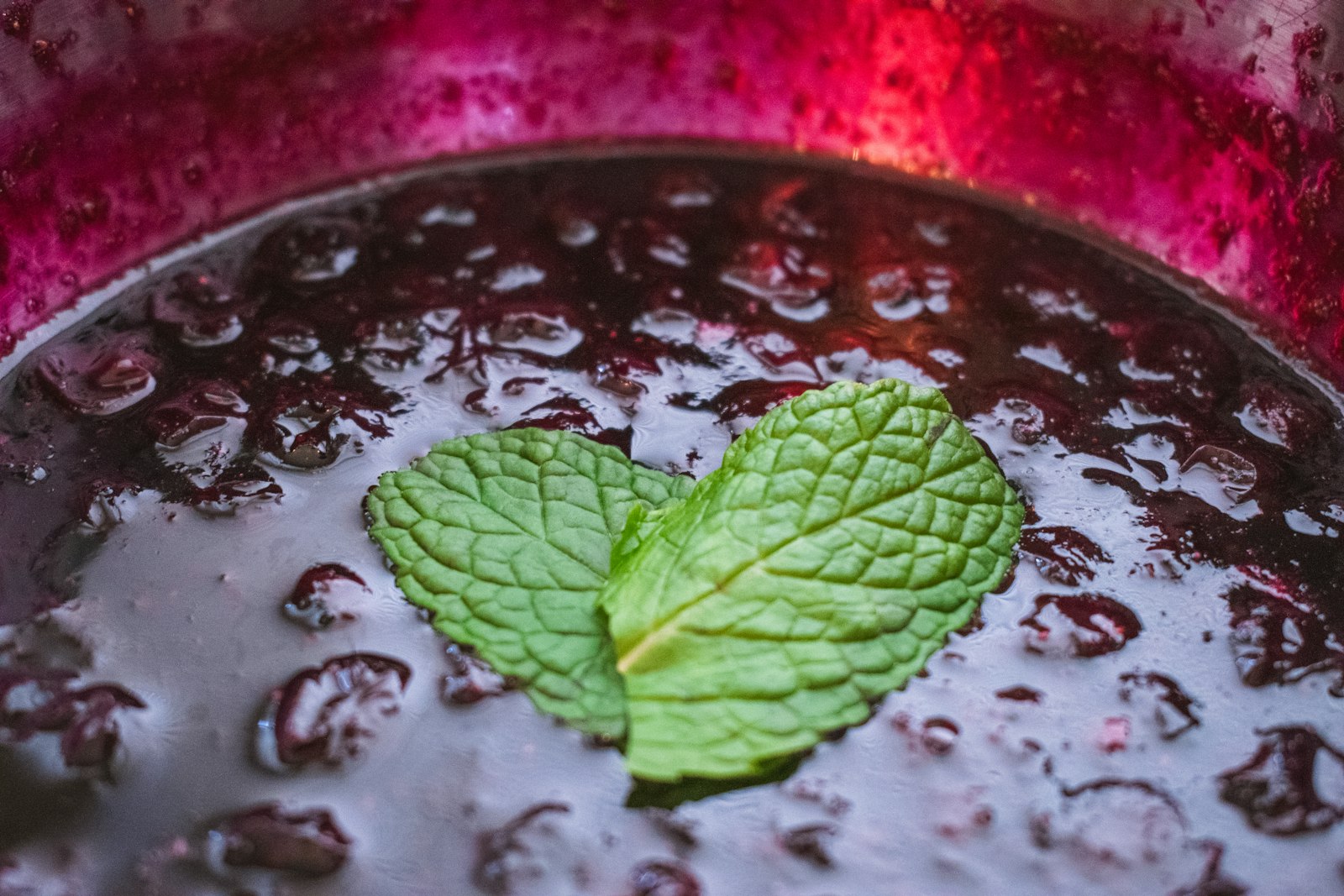
A whole blueberry is a round choking hazard. Here is exactly how to cut, smash, and serve blueberries at 6 to 9 months, 9 to 12 months, 12 to 18 months, and 18 to 24 months, plus when whole finally becomes reasonable.
Read article →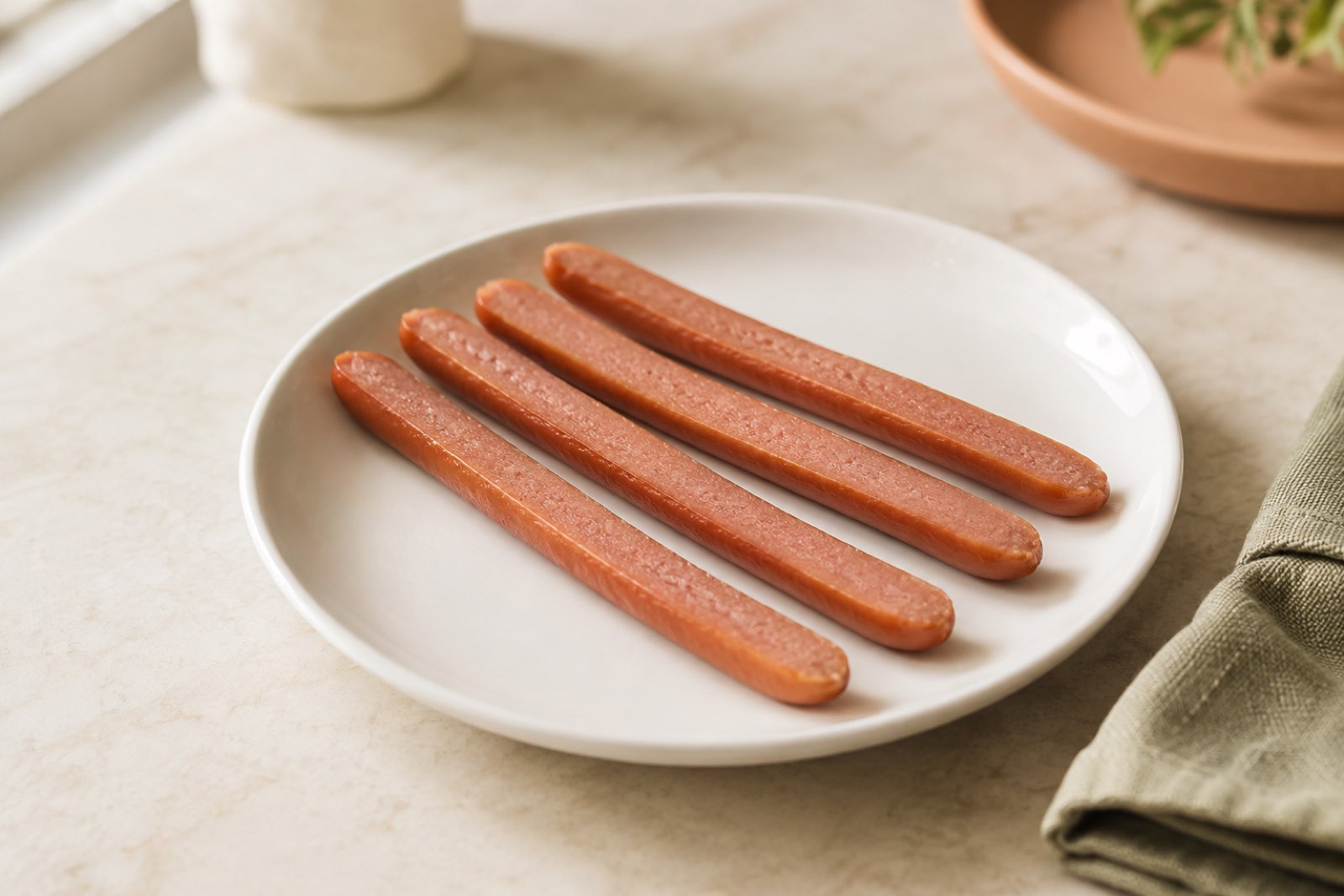
Hot dogs are the classic choking shape, but unlike popcorn they can be served far more safely with the right cut. The pediatric guidance on cutting, sodium, nitrates, and the reheating rule.
Read article →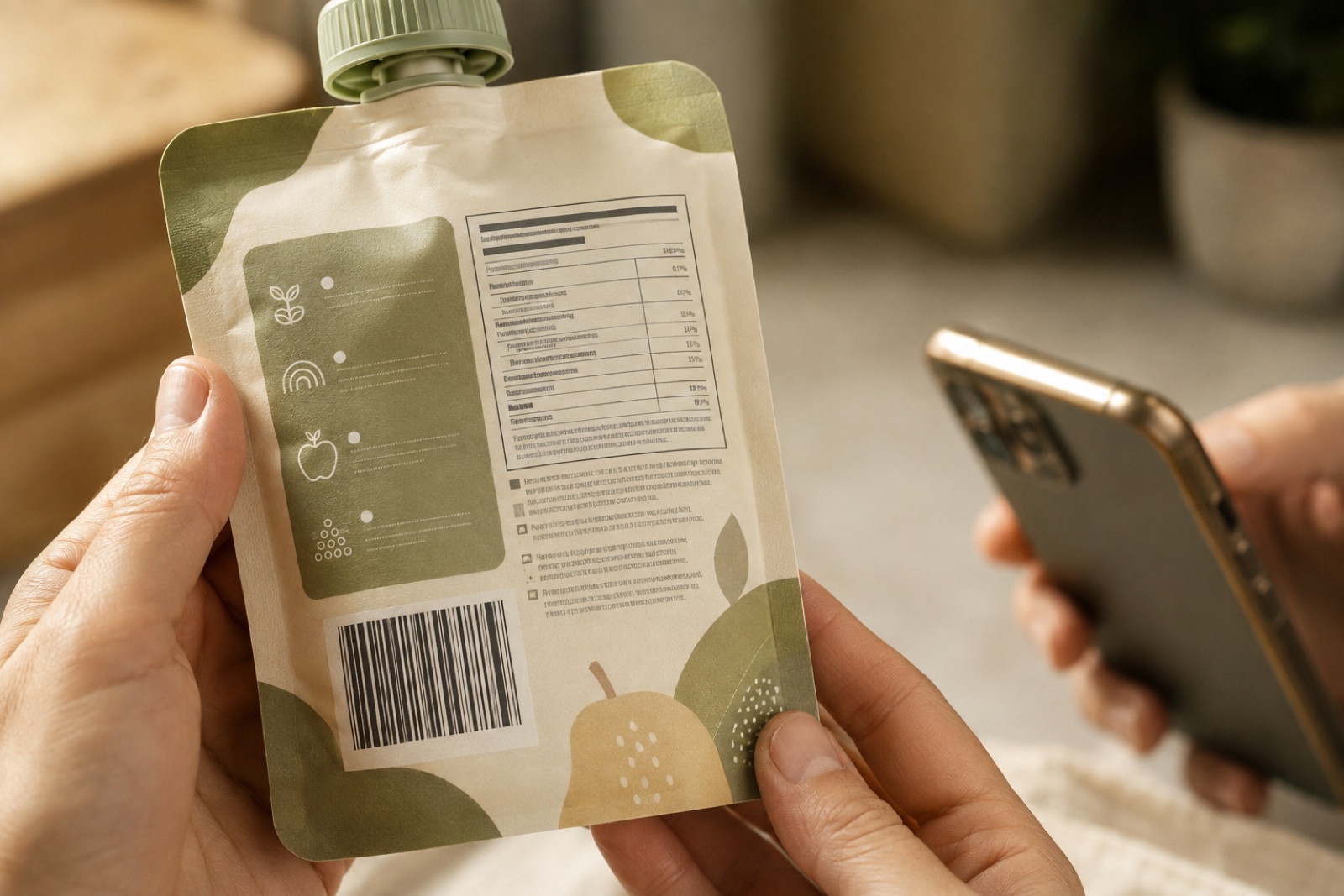
The front of a pouch or snack box is marketing. Honey, allergens, and age-wrong snacks are the three things that matter in the aisle. Then point the camera at the barcode so TinyPlate can check the package against your child's age and allergies.
Read article →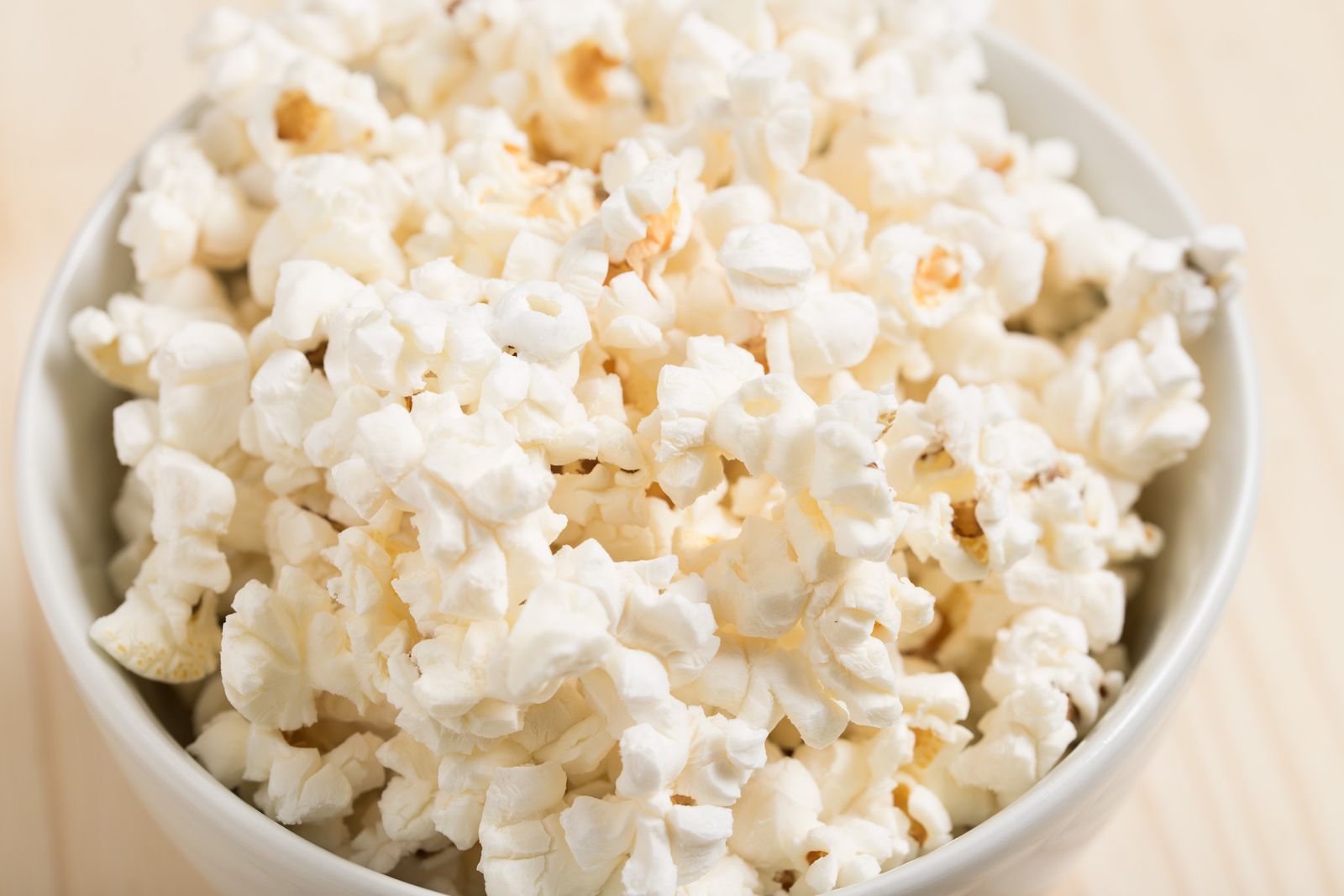
Popcorn is one of the highest-risk choking foods for young children, and there is no way to prepare it safely. Here is what the AAP and CDC actually say, why popcorn is different from other hazards, and what to serve instead.
Read article →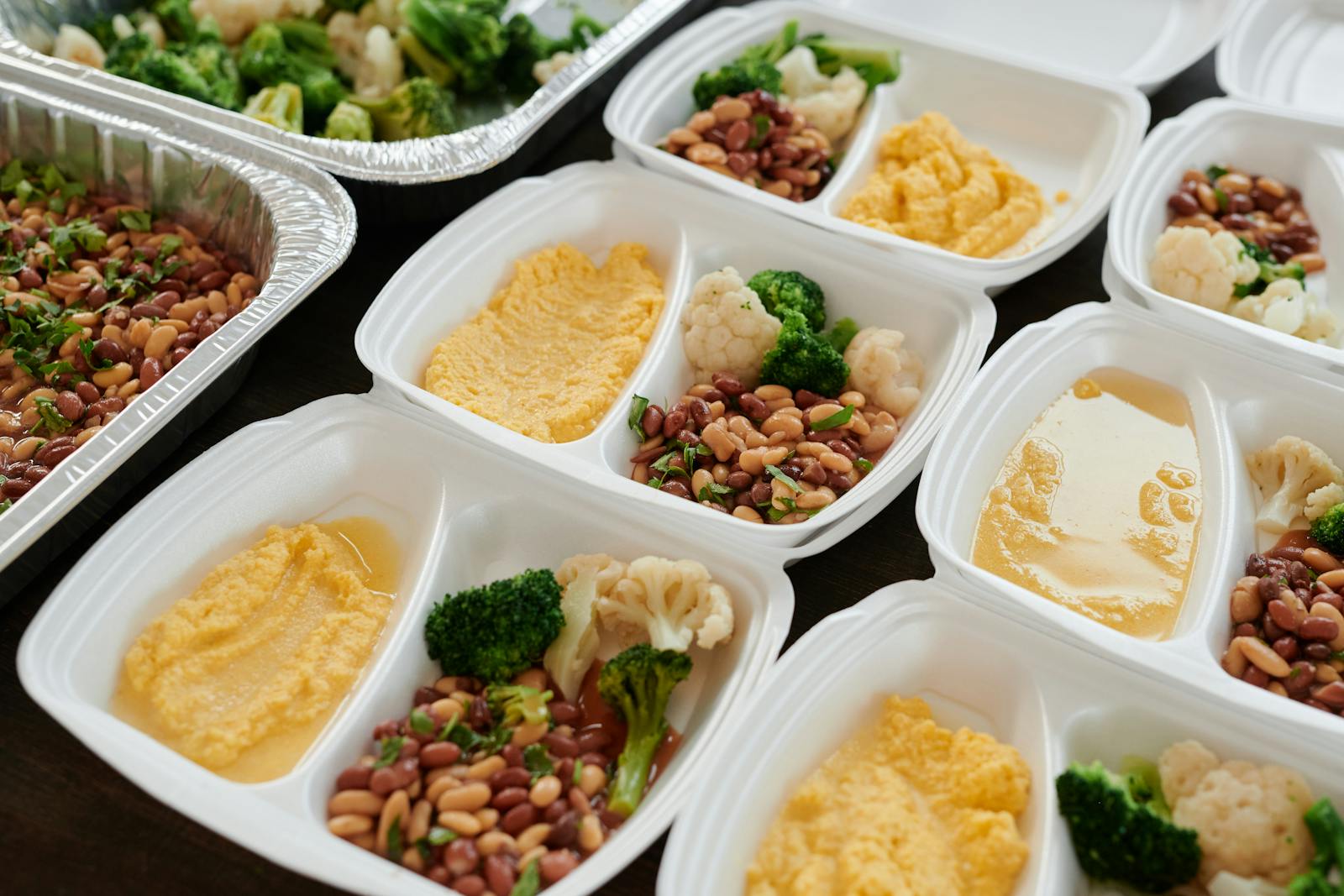
Cook once, eat all week. A practical weekend batch-cooking plan for baby food that covers seven days of meals for a 6 to 18-month-old, with safe storage and reheating rules.
Read article →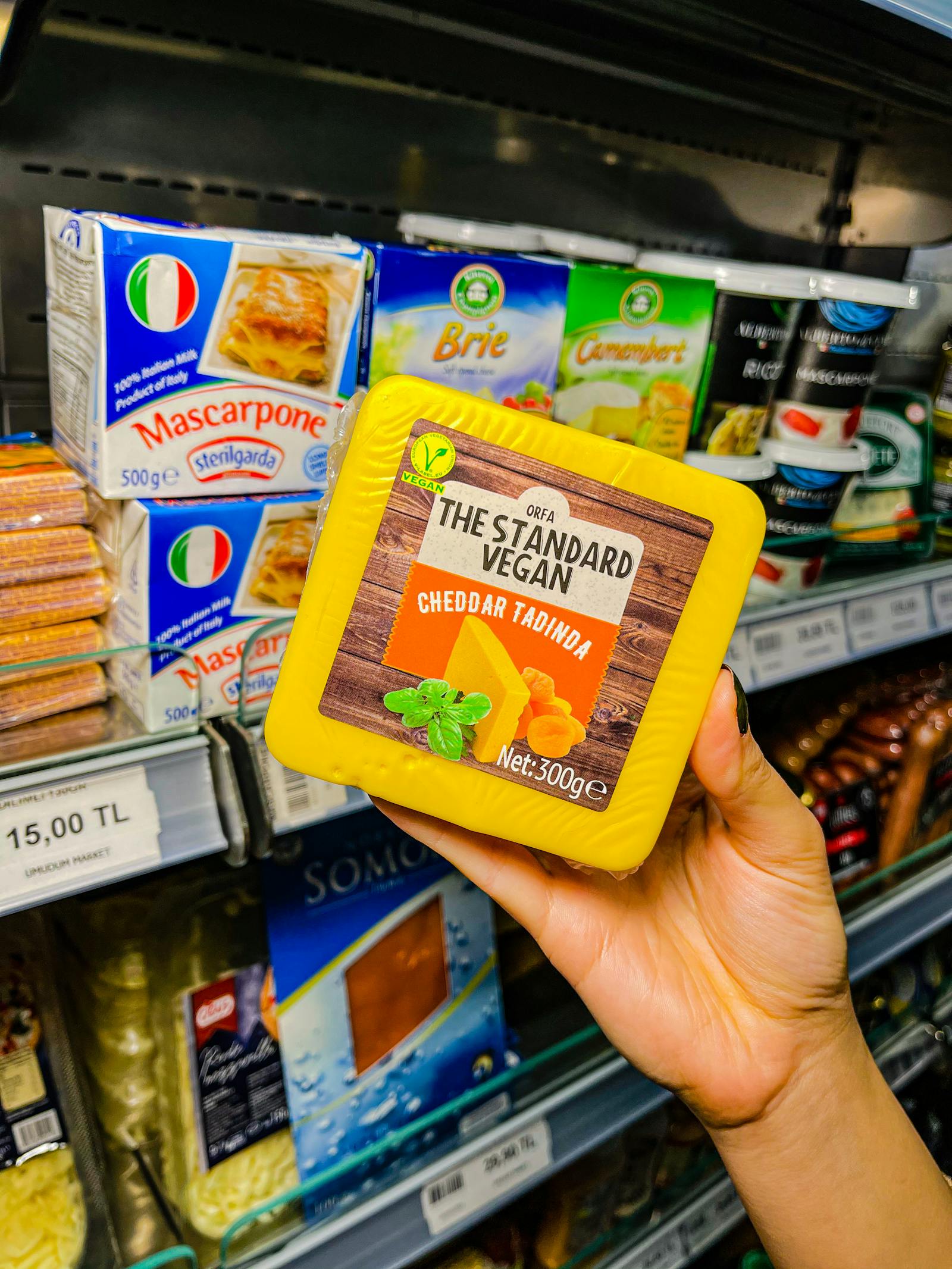
U.S. food labels must declare the top 9 allergens, but tricky names, cross-contact, and 'may contain' wording catch parents off guard. The guide to hidden food allergens.
Read article →
Toddler picky eating is a developmental phase, not a feeding failure. The pediatric-evidence guide to why it happens, when it peaks, and what to do.
Read article →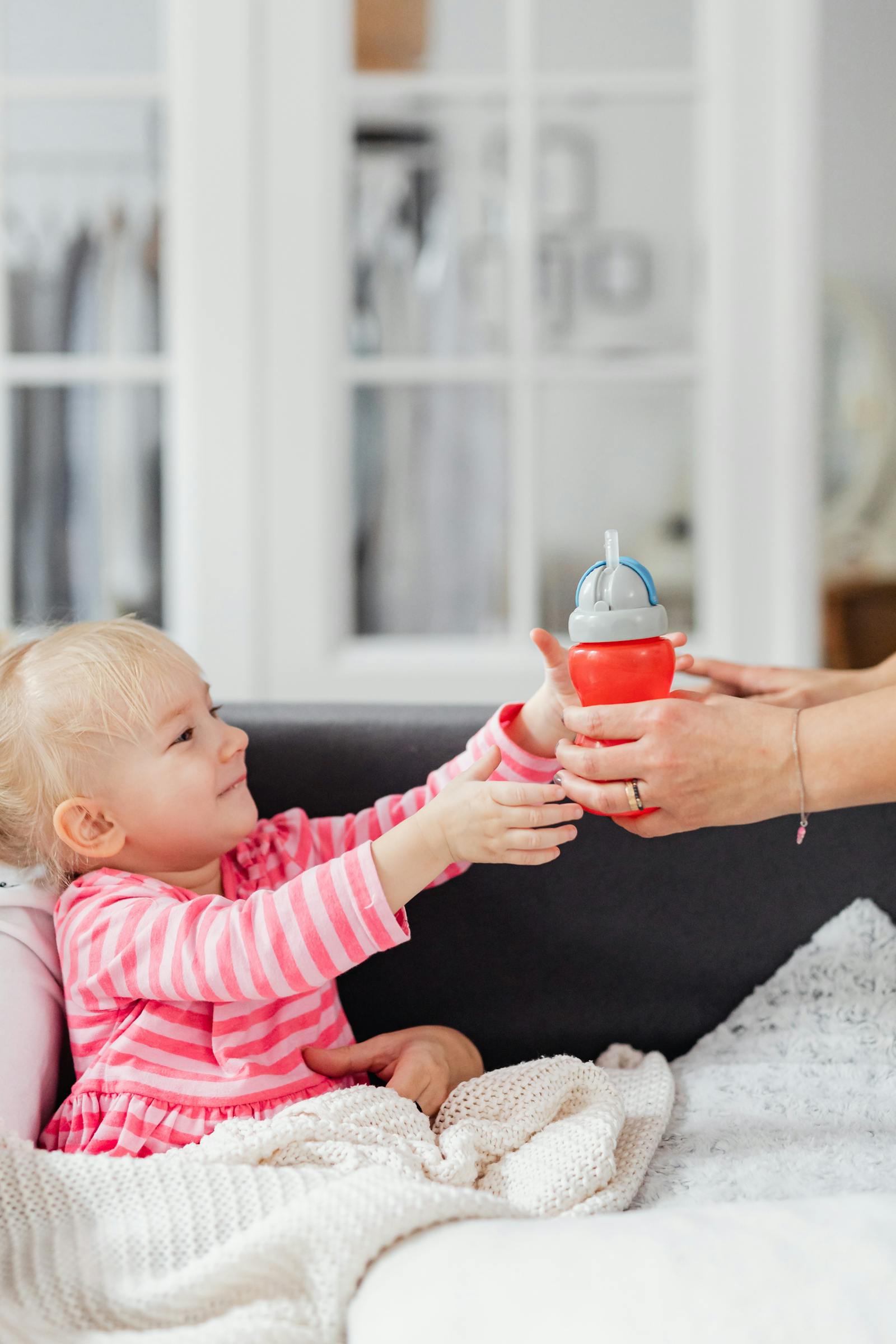
Babies are more vulnerable to dehydration than adults. The pediatric-evidence guide to baby hydration in summer: what to offer, how much, and what to skip.
Read article →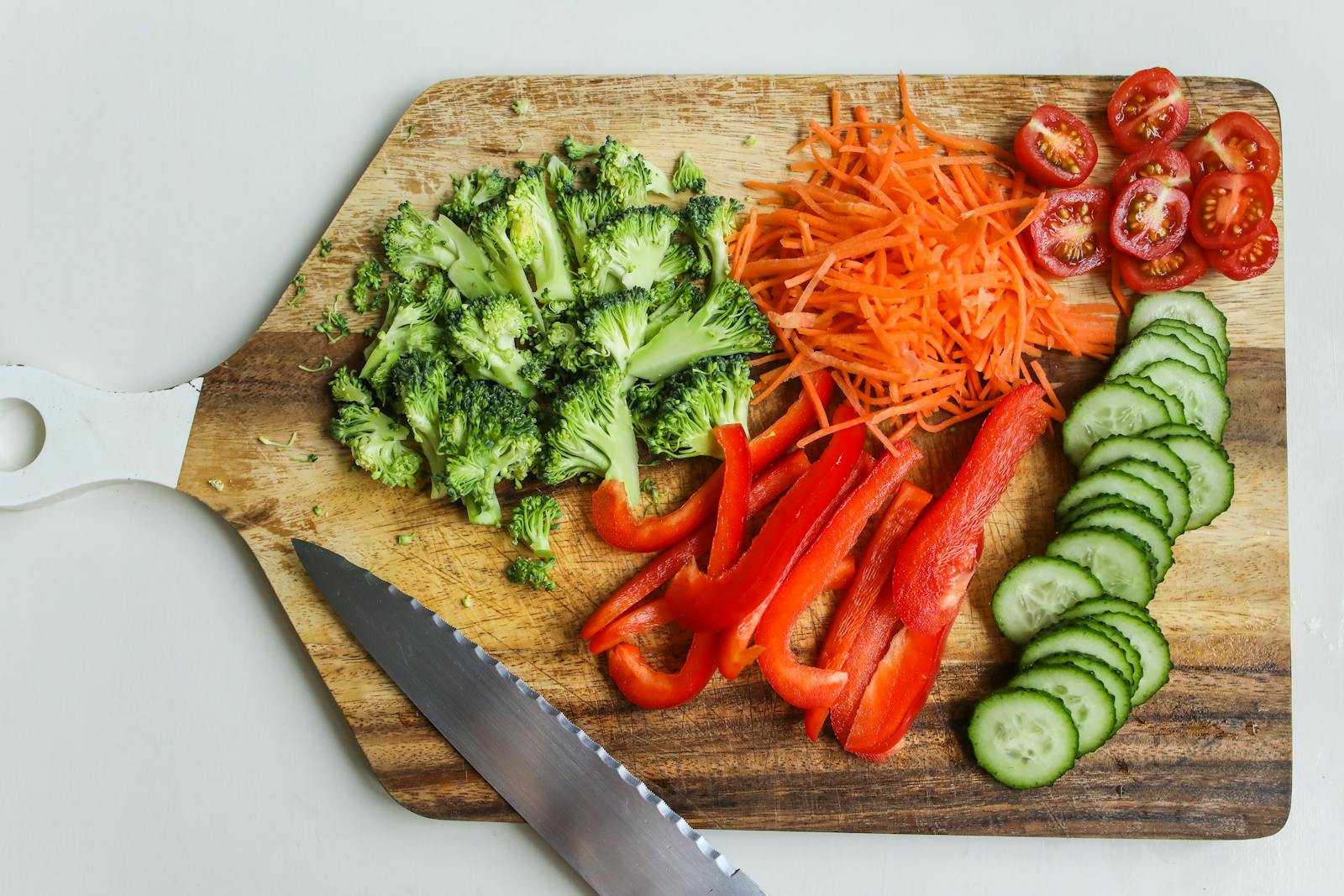
The right cut lowers the risk on most choking hazards, though it never removes it. The pediatric-evidence guide to safe food cuts for babies and toddlers, food by food.
Read article →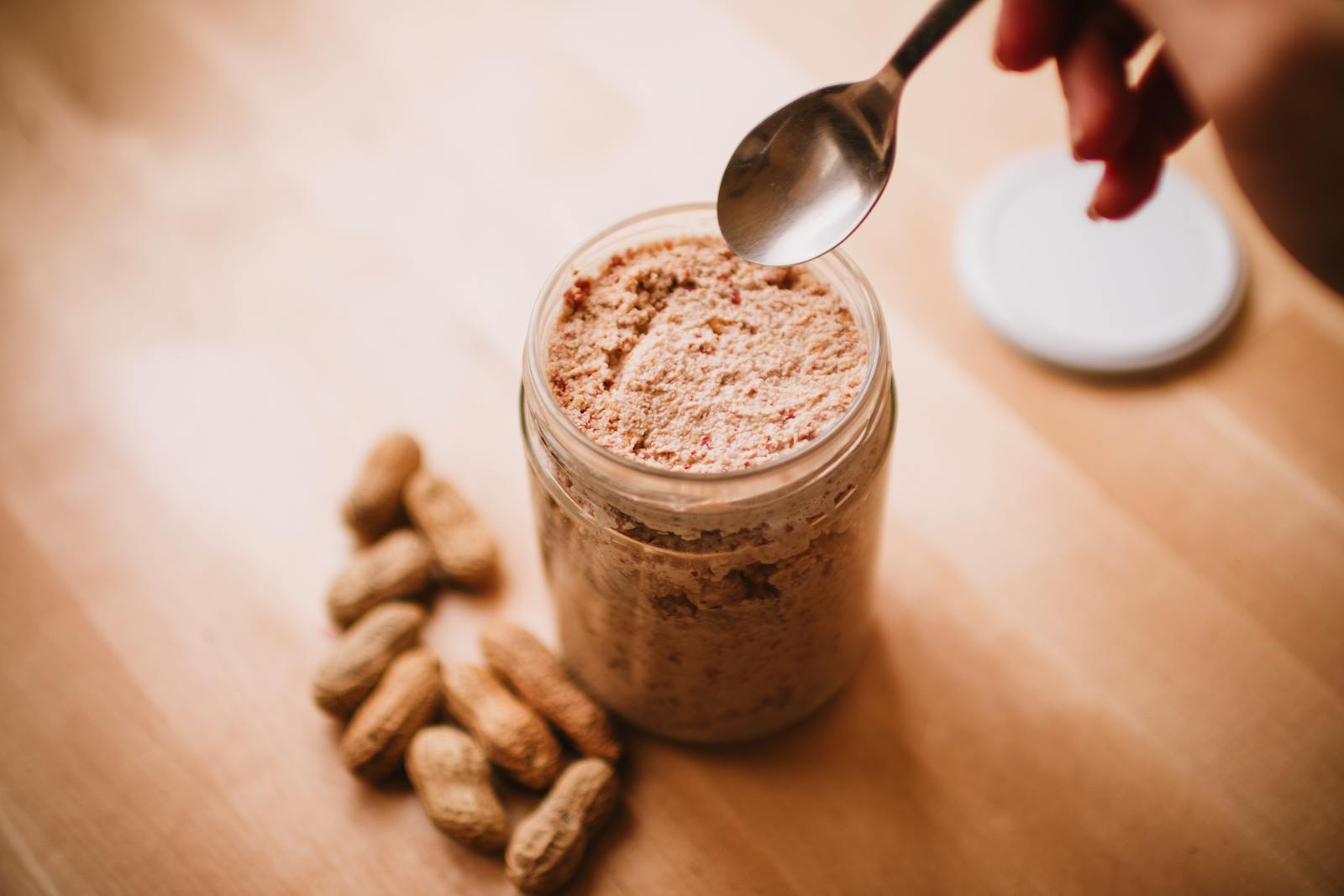
The LEAP study changed everything about when to introduce peanut butter to a baby. The pediatric-evidence guide to early peanut introduction, with prep steps and what to watch for.
Read article →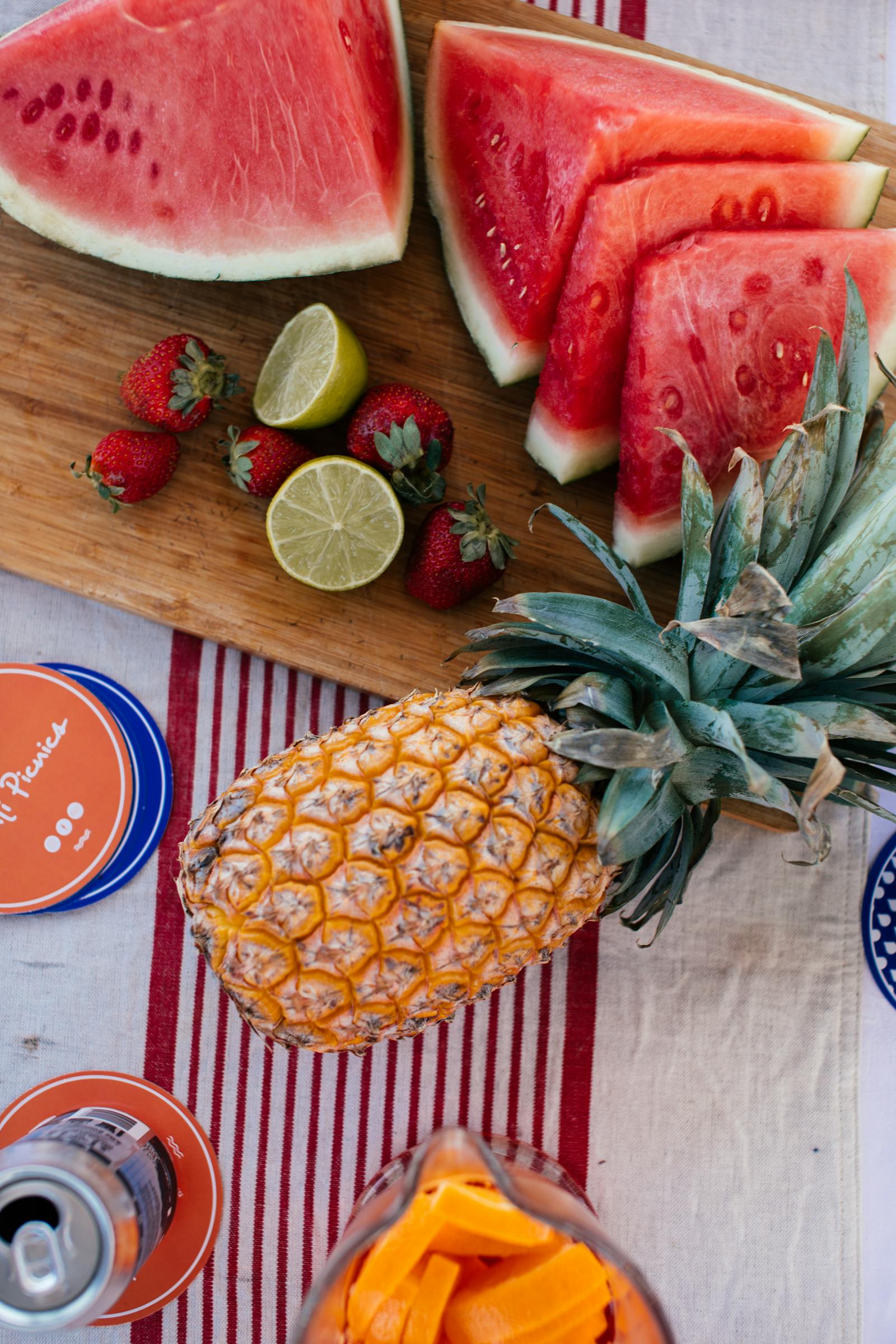
Watermelon, berries, peaches, grapes, and stone fruit. The pediatric-evidence guide to summer fruits for babies, including how to cut each one safely for every stage.
Read article →
Babies who stay on smooth purees too long often struggle with textures later. The pediatric-evidence guide to baby food textures by age, from 6 to 18 months.
Read article →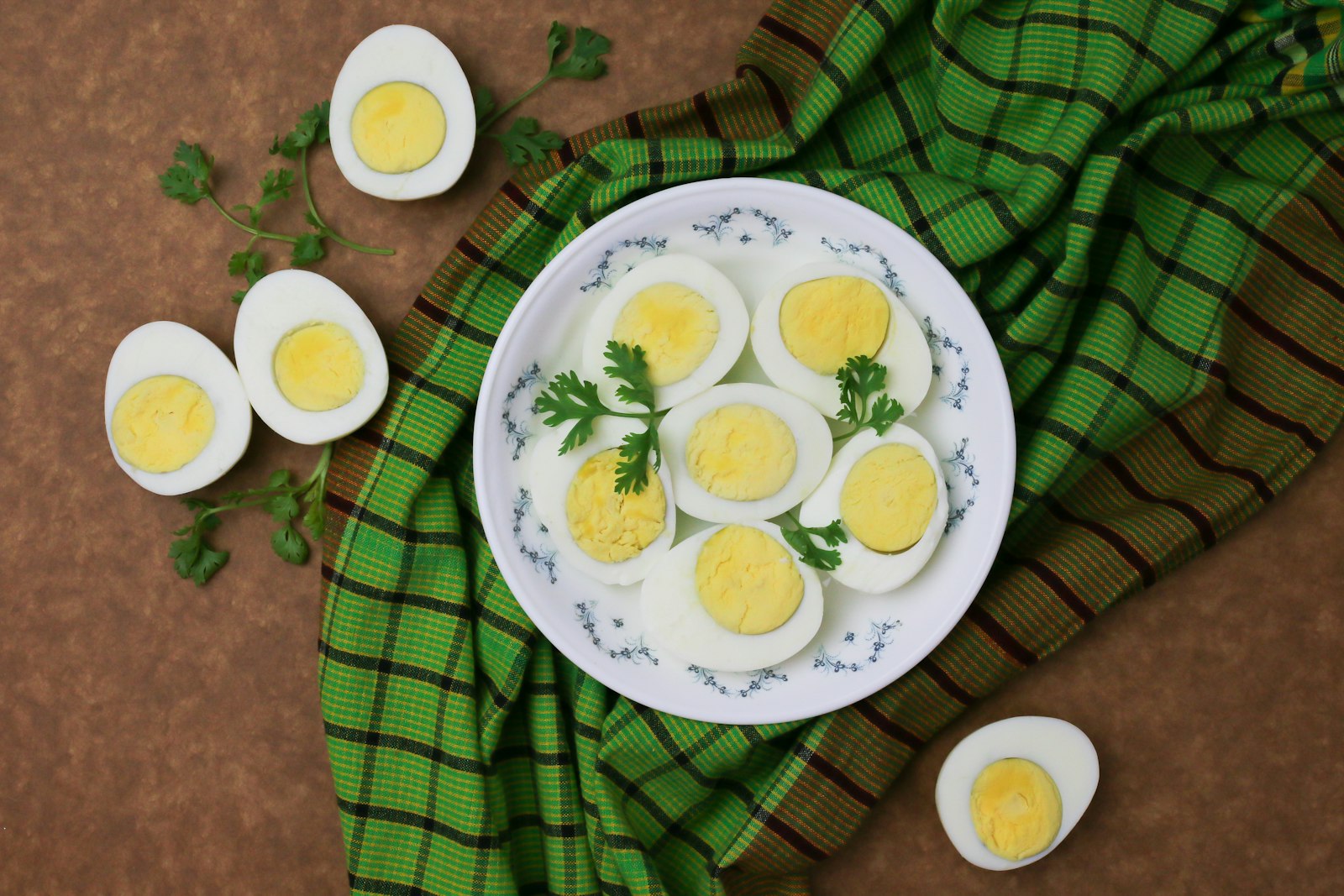
Eggs are one of the most nutrient-dense first foods and one of the top 9 allergens. The pediatric-evidence guide to introducing eggs to your baby safely.
Read article →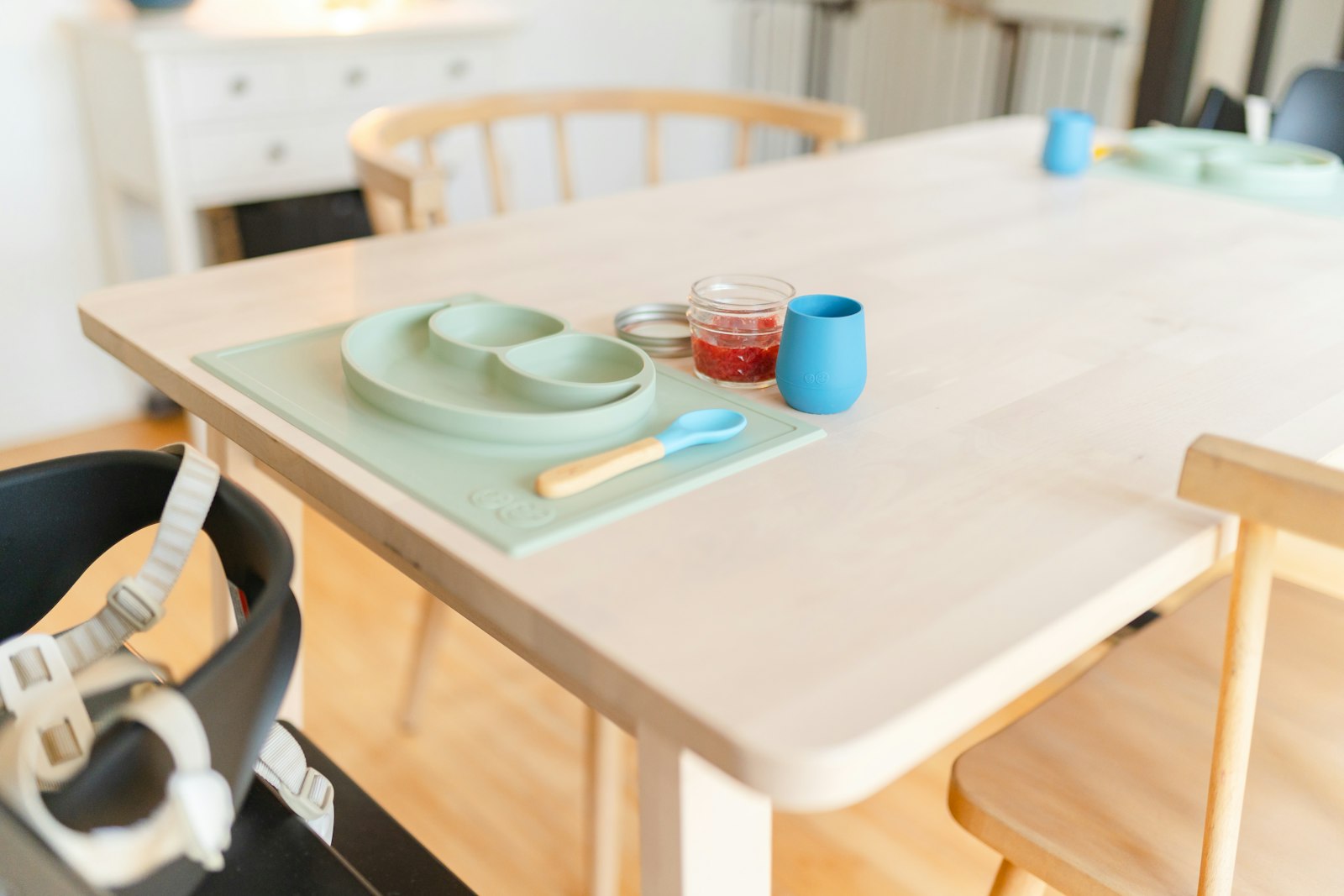
Most families end up doing a combination of baby-led weaning and purees, and the research backs it. Here's how the combination approach to feeding works in practice.
Read article →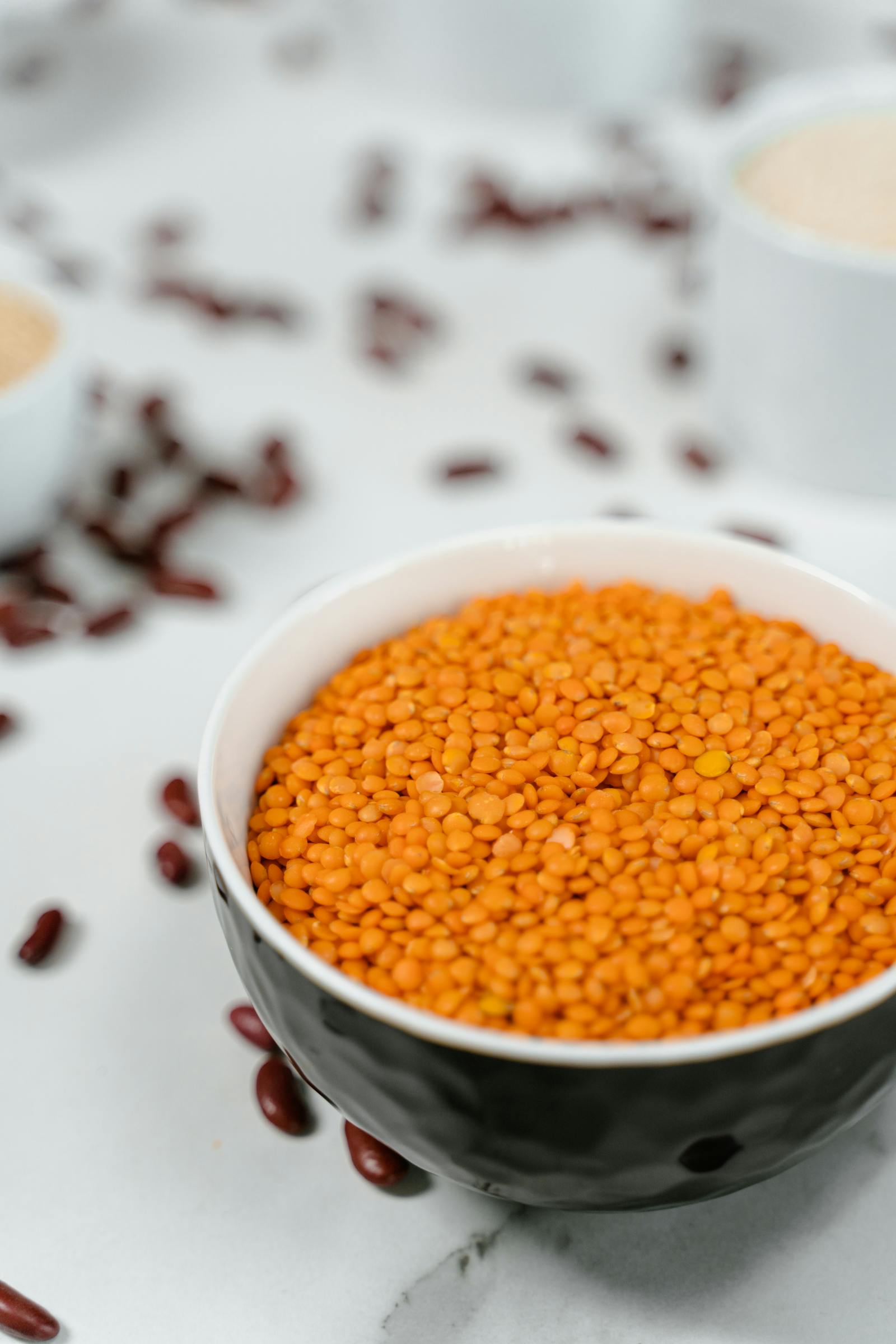
Iron is the single most important nutrient for babies starting solids. The pediatric-evidence guide to iron-rich baby food, ranked by absorption, with practical first-month meal ideas.
Read article →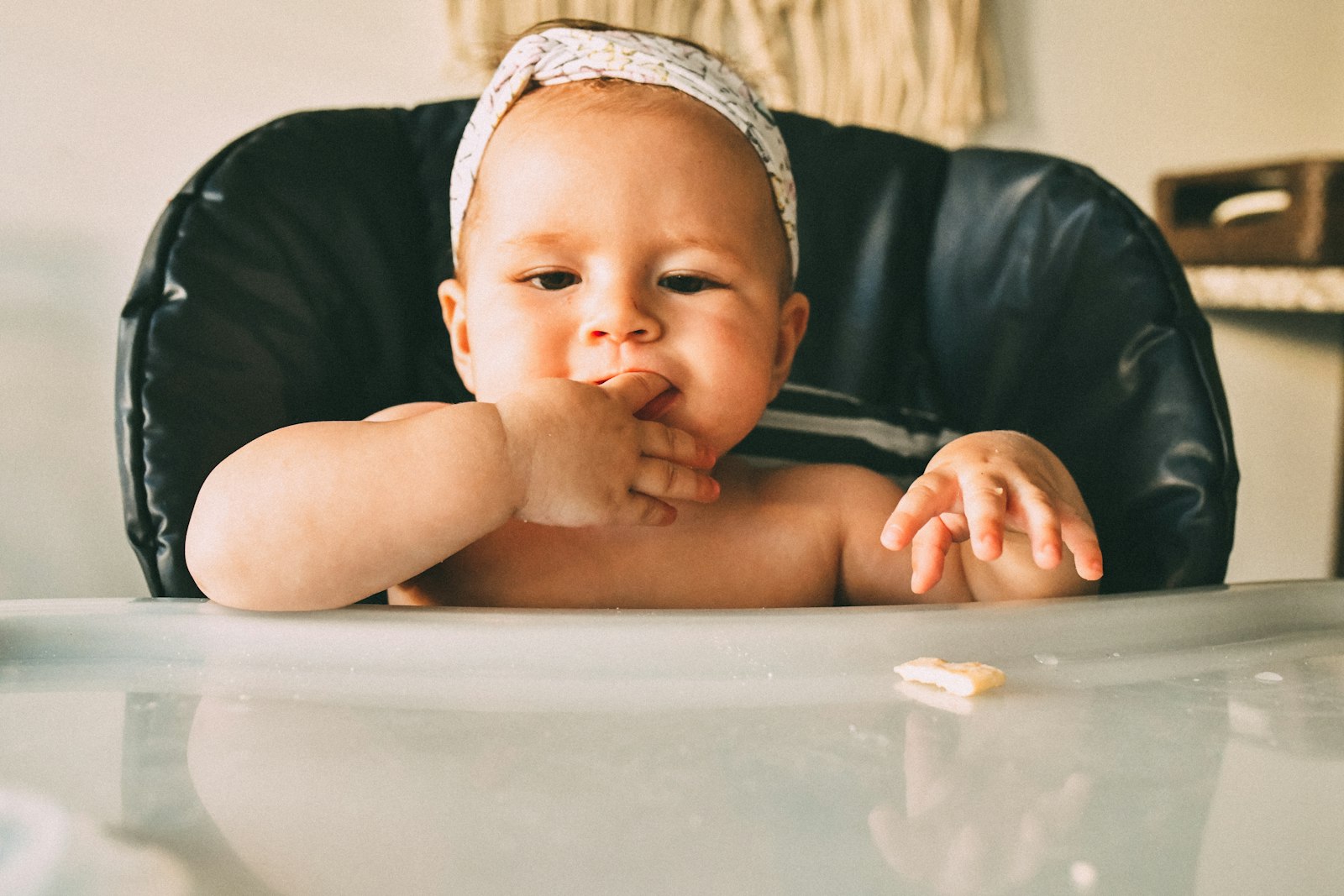
Wondering if your baby is ready for solids? Five developmental readiness signs the AAP looks for, beyond the 6-month mark, plus what to do if the signs aren't there yet.
Read article →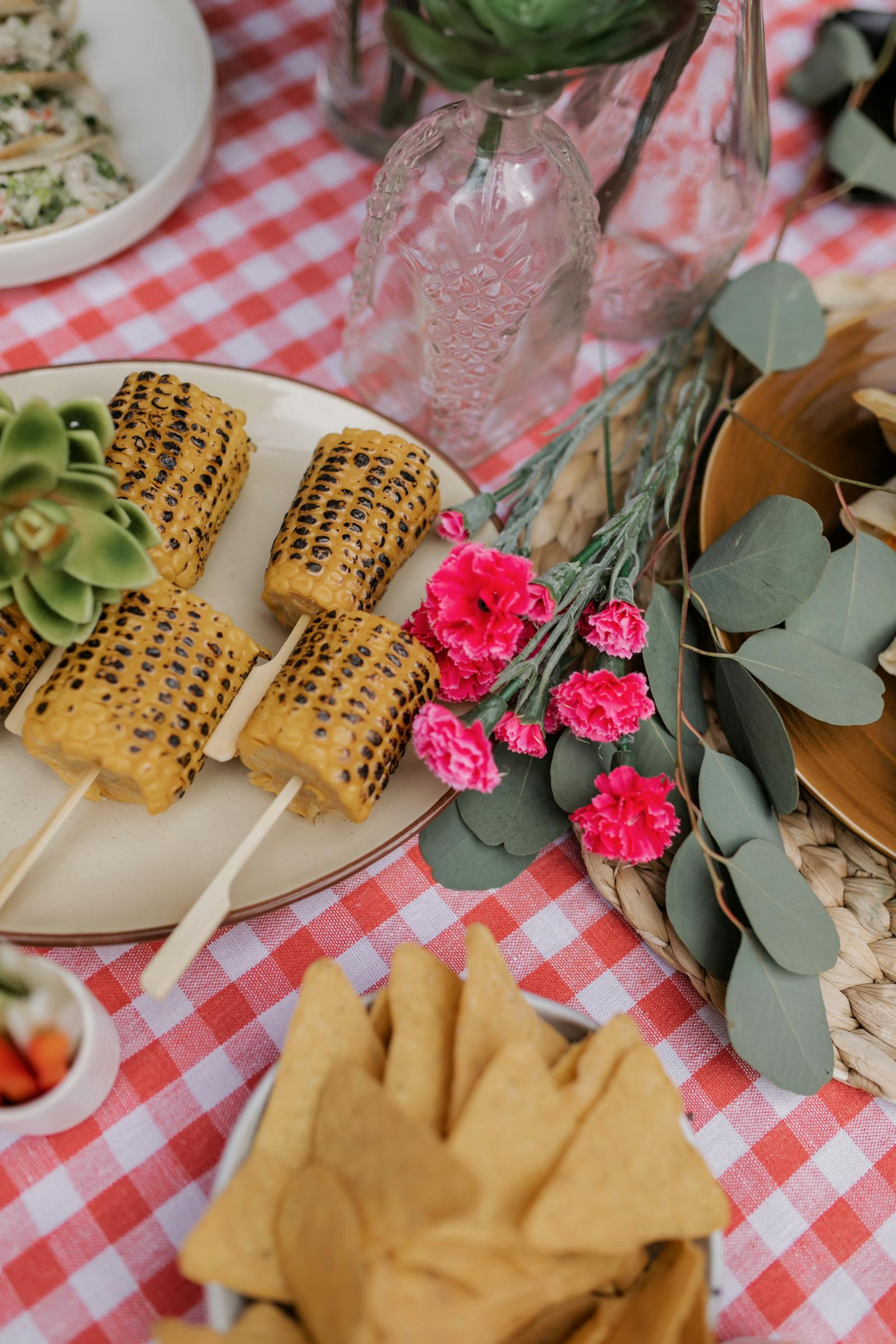
A pediatric-evidence guide to baby- and toddler-safe Memorial Day cookout food: which BBQ classics to serve, which to modify, and which to skip, with AAP, CDC, and USDA-backed safety notes.
Read article →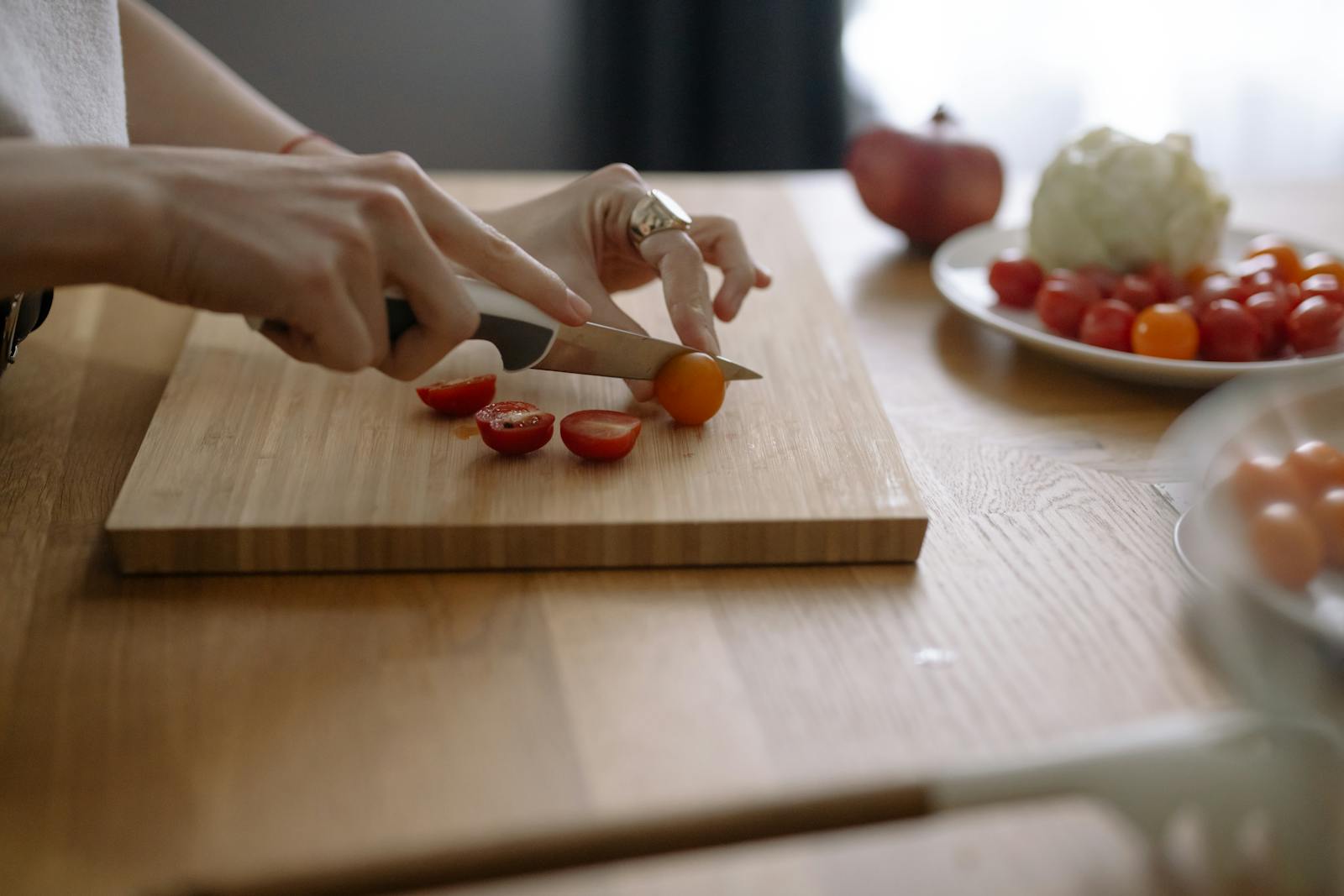
The choking-prevention rule for kids under 4: round, firm, sticky. A pediatric-grade size guide for grapes, hot dogs, nuts, and 12 other high-risk foods.
Read article →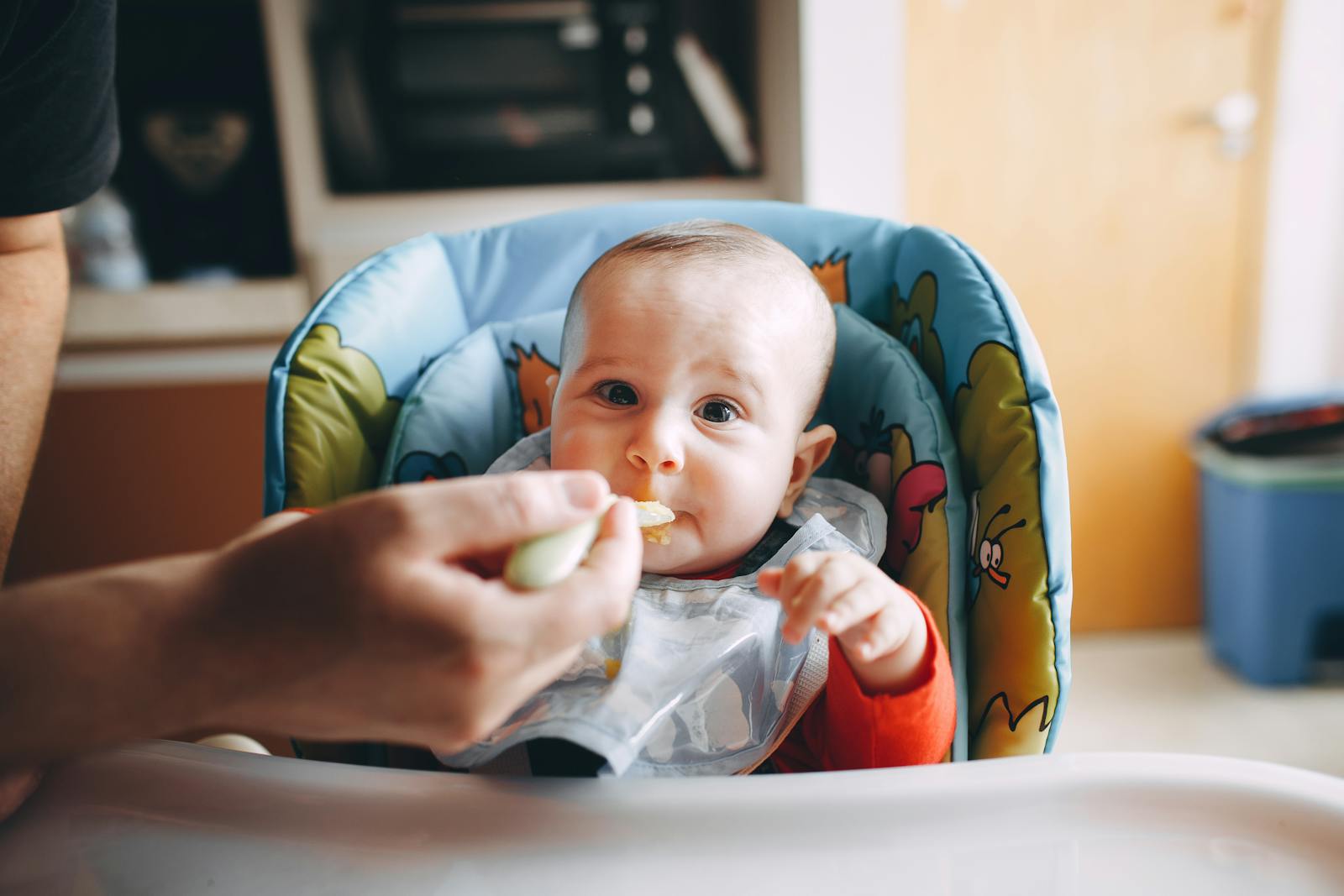
Babies are developmentally ready for solids around 6 months. The complete checklist: readiness signs, food rules, and the allergen-introduction timing pediatricians recommend.
Read article →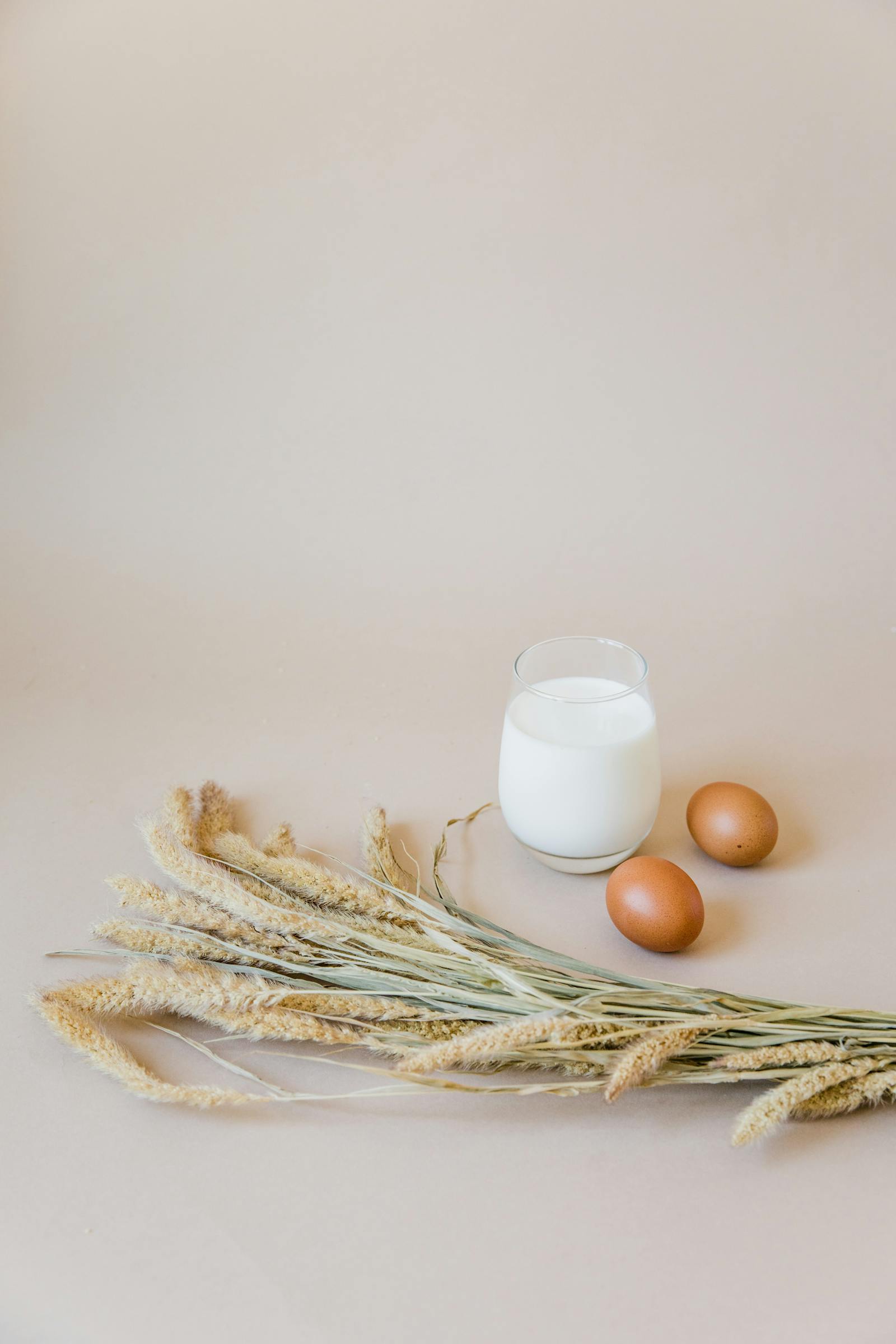
Nine foods cause 90% of childhood food allergies. The pediatric-evidence guide to introducing milk, eggs, peanuts, tree nuts, soy, wheat, fish, shellfish, and sesame, safely and on time.
Read article →We publish new articles on feeding, safety, and developmental milestones every week. Get them in your inbox alongside the app launch.