
Starting Solids at 6 Months: The Complete Checklist for New Parents
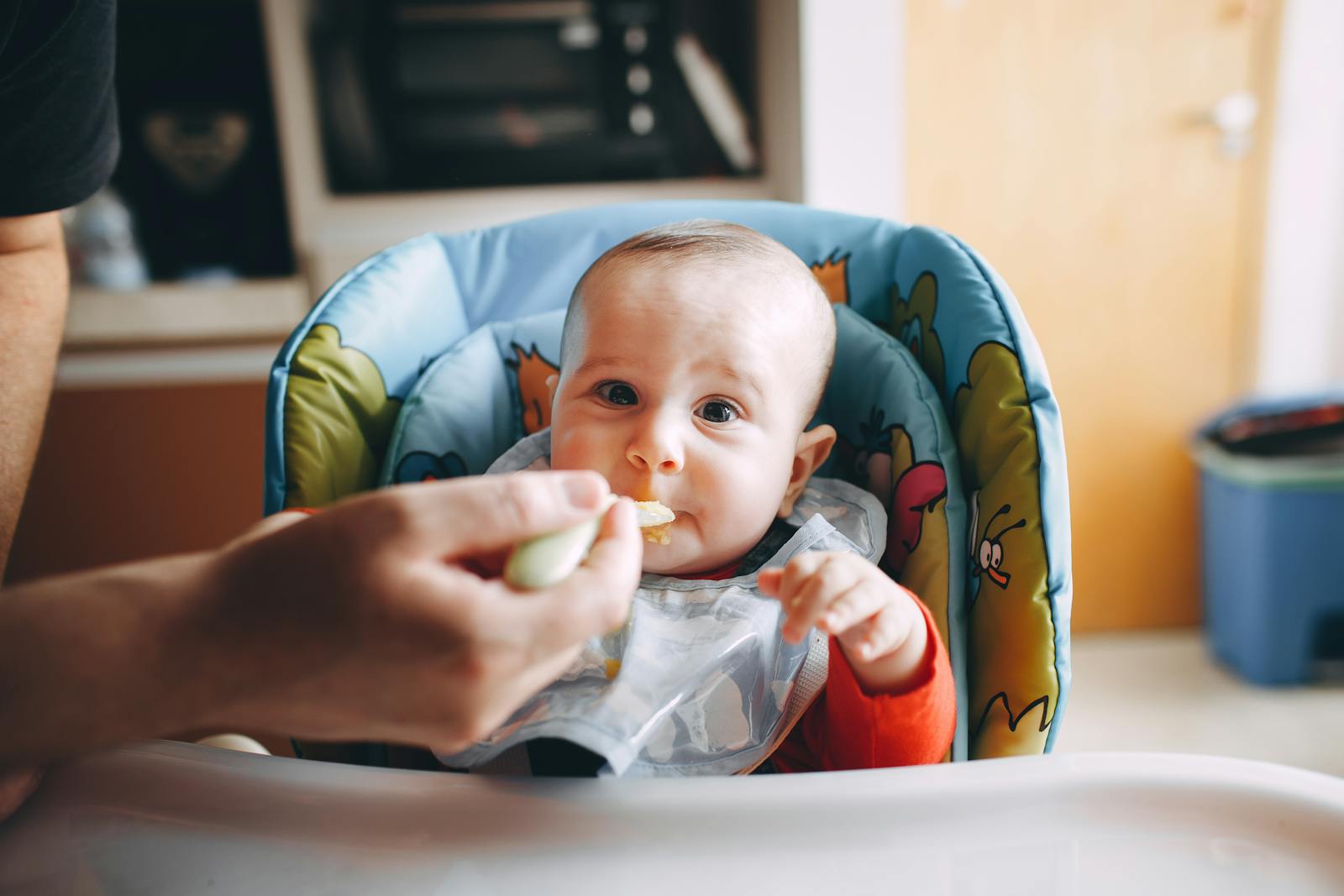
Key Takeaways
- Most babies are developmentally ready to start solid foods around 6 months of age, according to the American Academy of Pediatrics (AAP) and World Health Organization (WHO).
- Readiness signs matter more than the calendar date – look for head control, sitting with support, loss of the tongue-thrust reflex, and interest in food.
- Starting solids does not replace breast milk or formula; it supplements them through the first year.
- Early allergen introduction around 6 months with other solids may reduce allergy risk. High-risk for early peanut means severe eczema and/or egg allergy (not family history alone), and those infants need clinician guidance.
- A structured meal plan takes the guesswork out of which foods to try, when to introduce allergens, and how to track reactions.
Why 6 Months Is the Recommended Starting Point
For decades, pediatric guidance on when to start solids has shifted. In the 1950s, some doctors recommended cereal at 6 weeks. By the 1990s, the pendulum swung to “nothing but milk until 6 months.” Today, the AAP recommends introducing complementary foods around 6 months while continuing breast milk or formula through at least the first year.
The 6-month guideline is not arbitrary. By this age, most infants have developed the oral-motor skills needed to move food from the front of the mouth to the back and swallow safely. Their digestive systems are mature enough to handle proteins and complex carbohydrates beyond milk. And their iron stores – built up during the third trimester of pregnancy – are beginning to deplete, making iron-rich complementary foods physiologically important.
Most babies start solids around 6 months when readiness signs are present. Family history of food allergies is not the high-risk group for early peanut. High-risk means severe eczema and/or egg allergy, and those infants need clinician guidance before any 4 to 6 month peanut plan. Do not start peanut or egg before 4 months.
The Readiness Checklist: Signs Your Baby Is Ready for Solids
Before you open that first pouch or mash that first avocado, look for these developmental milestones:
Head and neck control. Your baby should be able to hold their head steady and upright without wobbling. This is critical for safe swallowing and reduces choking risk.
Sitting with minimal support. Your baby does not need to sit independently, but they should be able to sit upright in a high chair with only the chair’s support. Slumping to one side or sliding down suggests they are not ready.
Loss of the tongue-thrust reflex. In the first months of life, babies instinctively push objects out of their mouths with their tongues. When this reflex diminishes, they can accept a spoon and move food backward for swallowing. You can test this gently by offering a small amount of thin puree on a soft spoon. If most of it comes right back out, wait a week or two and try again.
Interest in food. Reaching for your plate, watching you eat intently, opening their mouth when food approaches – these are social cues that your baby is curious about eating. On its own, interest is not sufficient (babies reach for everything), but combined with the physical signs above, it rounds out the picture.
Ability to pick up objects. While not strictly required for spoon-feeding, the ability to grasp and bring objects to their mouth is a sign of the hand-eye coordination that supports self-feeding, which becomes important within a few months.
What You Need Before Day One
Equipment Essentials
- A sturdy high chair with a footrest. Feet dangling in space makes it harder for babies to stabilize their core for swallowing. A footrest (or a DIY solution like a taped-on pool noodle) gives them something to brace against.
- Soft-tipped spoons with a shallow bowl. Silicone spoons are gentle on gums and easy to clean.
- Suction bowls or plates. These will not survive a determined baby forever, but they buy you time.
- A splat mat or old shower curtain under the high chair. Starting solids is messy. Embrace it.
- Bibs with a catch pocket. Silicone bibs are easier to clean than fabric ones, and the pocket catches fallen food, which your baby may pick up and try again.
Food Preparation Basics
- A way to puree or mash food. A fork works for soft foods like banana and avocado. A blender or food processor handles tougher textures like sweet potato and peas.
- Ice cube trays or silicone freezer molds. Batch cooking and freezing in small portions saves time and reduces waste.
- A food thermometer (optional but helpful). Baby food should be warm, not hot – around body temperature.
The First 30 Days: A Sample Introduction Plan
There is no single correct order for introducing foods, but we recommend starting with iron-rich foods and single-ingredient purees, then building complexity over the first month.
Week 1: Iron-Rich First Foods
Iron is the nutrient babies need most from complementary foods. Breast milk iron is highly bioavailable but present in small quantities, and formula-fed babies may also benefit from food-based iron as they approach the second half of their first year.
Start with one of these:
- Iron-fortified infant cereal (single-grain oat or rice) mixed with breast milk or formula to a thin consistency.
- Pureed meat (chicken, turkey, or beef). This may surprise parents who expect to start with fruits and vegetables, but meat is one of the richest sources of heme iron, which is more readily absorbed than the non-heme iron in plant foods.
- Pureed lentils or beans. A good plant-based iron source, though pairing with vitamin C (like a small amount of pureed bell pepper or tomato) improves absorption.
Offer one to two tablespoons once a day. Do not worry if most of it ends up on the bib. At this stage, the goal is exposure and practice, not nutrition.
Week 2: Expanding Vegetables
Add one new vegetable every two to three days:
- Sweet potato
- Peas
- Butternut squash
- Green beans
- Zucchini
Some parents worry about offering vegetables before fruits, fearing that sweetness will create a preference. Research does not strongly support this concern – babies have an innate preference for sweet flavors regardless of introduction order. That said, offering a variety of vegetables early establishes familiarity, which can matter more for long-term acceptance.
Week 3: Introducing Fruits and Grains
- Banana (mashed with a fork – no cooking required)
- Avocado (also fork-mashable)
- Apple (cooked and pureed)
- Pear (cooked and pureed)
- Oatmeal (infant variety or finely ground rolled oats)
Week 4: First Allergens
Current evidence strongly supports early introduction of common allergens. The landmark LEAP study demonstrated that introducing peanut protein early in complementary feeding significantly reduced peanut allergy risk in high-risk infants (severe eczema and/or egg allergy). For most babies, introduce peanut and egg around 6 months with other solids, not before 4 months, and not delayed to age 1.
We recommend introducing one allergen at a time, with at least two days between new allergens to monitor for reactions:
- Peanut butter (thinned with breast milk or water – never give whole peanuts or chunks)
- Well-cooked scrambled egg (both white and yolk)
- Plain whole-milk yogurt (small amount)
For a complete allergen introduction guide, see our post on the top 9 allergens.
Common First-Month Concerns
“Your baby only eats a tiny amount.”
This is normal. A one-tablespoon serving is adequate in the early days. Breast milk or formula remains the primary source of nutrition through the first year. Think of solids as practice, not sustenance.
“Your baby gags on everything.”
Gagging is a safety reflex, not choking. A baby’s gag reflex is triggered much farther forward on the tongue than an adult’s, which means they gag more easily. It is loud, dramatic, and usually self-resolving. Choking, by contrast, is silent – the baby cannot cough or cry. Learn the difference and take an infant CPR class before starting solids.
“Your baby refuses the spoon.”
Some babies prefer self-feeding from the start. If your baby clamps their mouth shut when a spoon approaches but readily grabs soft finger foods, you may be looking at a baby-led weaning candidate. Both approaches (and a combination of the two) are valid.
“Should I still offer milk before or after solids?”
In the first few months of solids, offer milk about 30-60 minutes before the solid meal. This ensures the baby is not so hungry they become frustrated with the slow process of eating solids, but not so full they have no interest. As solids become a larger part of the diet (around 9-12 months), you can shift to offering solids first.
How to Track What You Have Introduced
Keeping a log of which foods your baby has tried, when you introduced them, and any reactions is enormously helpful – both for your own reference and for your pediatrician. A simple notebook works, but it is easy to lose track when you are sleep-deprived and juggling feeding, naps, and everything else.
This is where a meal planning app built for this stage can make a real difference. Instead of maintaining a paper log, you can track introductions digitally, see at a glance which allergens you have covered, and get reminders when it is time to try the next one.
What TinyPlate Does Differently
TinyPlate was built specifically for the starting-solids stage. Instead of generic recipe apps repurposed for babies, TinyPlate gives you a week-by-week plan that follows evidence-based introduction guidelines. You can see which foods your child has tried, which allergens are still pending, and what to serve next – all without digging through a spreadsheet or flipping through a baby food cookbook.
The app accounts for your child’s age, known allergens, and dietary preferences, then generates a meal plan you can actually follow. If your baby rejects something, you can swap it out and the plan adjusts. If you need to skip a day, the schedule flexes with you.
Download TinyPlate free on the App Store
Sources
- American Academy of Pediatrics. “Starting Solid Foods.” HealthyChildren.org, updated 2024.
- World Health Organization. “Complementary Feeding.” WHO Nutrition Topics.
- Du Toit, G., et al. “Randomized Trial of Peanut Consumption in Infants at Risk for Peanut Allergy” (LEAP Study). New England Journal of Medicine, 2015.
- Fewtrell, M., et al. “Complementary Feeding: A Position Paper by the ESPGHAN Committee on Nutrition.” Journal of Pediatric Gastroenterology and Nutrition, 2017.
- Baker, R.D., and Greer, F.R. “Diagnosis and Prevention of Iron Deficiency and Iron-Deficiency Anemia in Infants and Young Children.” Pediatrics, 2010.