
Memorial Day BBQ Foods Safe for Babies and Toddlers
Key Takeaways
- Many classic BBQ foods can be modified for babies and toddlers with simple adjustments to texture, seasoning, and preparation.
- The biggest risks at a cookout are choking hazards (hot dogs, whole grapes, chips), high sodium levels, and undercooked meat, all manageable with planning.
- Babies 6 months and older can enjoy pulled meats, soft grilled fruits, bean-based sides, and more with age-appropriate preparation.
- The social aspect of sharing a holiday meal matters: including your baby at the table builds positive mealtime associations.
- Bringing a few prepared items from home ensures your baby has safe options even if the host's menu is not baby-friendly.
Your Baby's First Cookout
Memorial Day marks the unofficial start of summer, and for many families, that means the first backyard barbecue of the season. If your baby has recently started solids or your toddler is navigating the world of table foods, you may be wondering which cookout staples are safe, and which ones need to stay on the adult-only platter.
The good news is that barbecue food, at its core, is simple: grilled meat, soft vegetables, fresh fruit. With some thoughtful preparation, your little one can participate in the holiday meal alongside everyone else. Here is how to navigate the menu.
Grilled Meats: What Works and What to Modify
Safe Options
Pulled pork or pulled chicken. Slow-cooked, shredded meat is one of the best barbecue options for babies. The long cooking process makes the meat incredibly tender, and shredding it into fine pieces eliminates choking risk. For babies 6 months and older, offer small, soft shreds. For toddlers, slightly larger pieces work well.
The main concern with pulled meats is the sauce. Most barbecue sauces are high in sugar, sodium, and sometimes contain honey (unsafe for babies under 12 months). Set aside a portion of unseasoned pulled meat before saucing the rest, or make a simple baby-friendly glaze with a small amount of unsalted tomato paste, a pinch of smoked paprika, and a squeeze of orange juice.
Grilled chicken breast. Chicken breast can dry out on the grill, making it tough for babies to manage. If you are grilling chicken for the baby, pound it thin so it cooks quickly and stays moist, or cut it into strips and grill over indirect heat. Shred or dice finely for younger babies.
Hamburger patties (plain). A plain ground beef patty, cooked to 160 degrees Fahrenheit (the USDA minimum for ground meat), can be crumbled or cut into small pieces for babies 6 months and older. Skip the bun, ketchup, and toppings for young babies. For toddlers over 12 months, a small slider on a soft bun can work if cut into manageable pieces.
What to Avoid
Hot dogs. This is the single most important safety note for any cookout with young children. Hot dogs are the leading cause of choking death in children under 3, according to the AAP. Their cylindrical shape, compressible texture, and the way they can conform to a child's airway make them uniquely dangerous. If you do serve hot dogs to a toddler over 12 months, they must be cut lengthwise into strips and then into small pieces, never served as rounds.
Ribs with bones. While the meat itself is fine, bone fragments and the gnawing action required make ribs inappropriate for babies. If you are serving ribs, you can pull the meat off the bone and shred it for your little one.
Sausage links. Like hot dogs, sausages are cylindrical and firm, posing a choking risk. They are also typically high in sodium and may contain spices that are too intense for a baby.
Side Dishes: The Underrated Stars
Side dishes are where barbecue really shines for babies and toddlers. Many classic sides are naturally soft, nutritious, and easy to modify.
Great Options
Baked beans. Canned baked beans are high in sodium and sugar, but homemade or low-sodium versions are excellent for babies 6 months and older. Beans are a good source of plant-based iron and protein. For younger babies, mash them slightly with a fork.
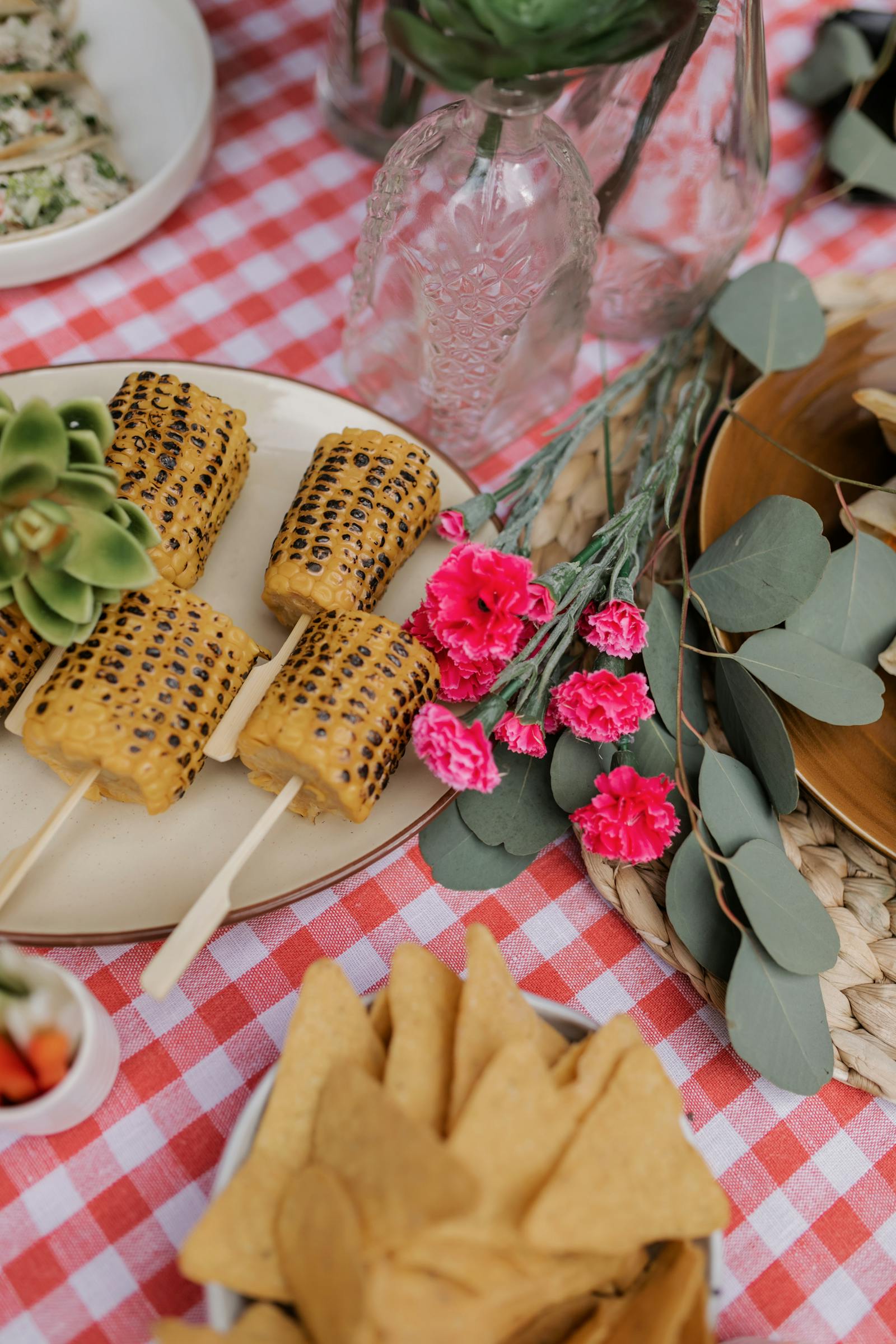
Corn on the cob. Toddlers over 12 months can gnaw on a section of corn on the cob under close supervision (a useful teething activity, too). Do not offer whole corn kernels at 9 months. Smash or halve cooked kernels until about age 4. Soft-enough-to-squish still applies.
Coleslaw (modified). Traditional coleslaw with raw cabbage is too tough for babies, but a finely shredded, lightly dressed slaw with soft fruits (like grated apple or mango) works for toddlers. Skip the mayonnaise-heavy dressing for babies and use a light vinaigrette or yogurt-based dressing.
Potato salad or mashed potatoes. Soft, cooked potatoes are one of the easiest foods for babies at any stage. For young babies, offer as a mash. For older babies and toddlers, small cubes of soft potato work well. Go easy on added salt and skip raw onion.
Guacamole. Ripe avocado mashed with a squeeze of lime is nutritious, naturally soft, and easy for babies to eat. Skip added salt and jalapeño for the baby portion.
Watermelon. A quintessential summer food that most babies love. For babies under 9 months, offer mashed or in a mesh feeder. For older babies, cut into thin strips or small cubes with seeds removed. Always remove rinds for young children.
What to Skip
Chips and crackers. Hard, crunchy snacks are choking hazards for babies and most toddlers. Offer puffed grain snacks or soft bread instead.
Whole grapes, cherry tomatoes, or blueberries. These are among the top choking hazards for young children. Always cut grapes and cherry tomatoes into quarters lengthwise. Blueberries should be smashed or quartered for babies under 12 months.
Pickles. High in sodium and tough in texture. Not dangerous, but not ideal for babies.
Desserts and Treats
Fresh fruit. This is your best bet. Sliced strawberries, soft peach wedges, ripe melon cubes, and mashed banana are all crowd-pleasers that work for babies and adults alike.
Popsicles. Homemade fruit popsicles (pureed fruit frozen in molds) are a festive, baby-safe option for warm weather. Even babies who are new to solids can enjoy licking a frozen fruit pop as a sensory experience.
Cake and cookies. No cake or cookies as guidance under age 2 (added sugar). After 2, keep servings occasional and small. Check ingredients for honey if your child is under 12 months. For babies still under 2, stick to fruit or a plain teething biscuit without added sugar.
Drinks and Hydration
For babies under 12 months, breast milk or formula remains the primary beverage. Once your baby is eating solids regularly, small sips of water with meals are appropriate (the AAP suggests up to 4–8 ounces per day for babies 6–12 months, offered in an open cup or straw cup).
Skip juice, sweet tea, lemonade, and soda for all children under 2. Even 100% fruit juice offers no nutritional advantage over whole fruit and adds unnecessary sugar.
On a hot day, watch for signs of dehydration in your baby: fewer wet diapers, dark urine, dry lips, or unusual fussiness. Offer extra breast milk or formula as needed.
Practical Tips for a Stress-Free Cookout
Bring backup food. Even if the host promises baby-friendly options, pack a few reliable items: a pouch of pureed food, some soft fruit, and a few puffed grain snacks. Having a fallback reduces stress for everyone.
Claim a shady spot early. Babies under 6 months should be kept out of direct sunlight entirely. Older babies and toddlers need shade, hats, and sunscreen (SPF 30 or higher for babies over 6 months).
Pack a portable high chair or clip-on seat. Your baby will be safer and more comfortable eating in a proper seat than on someone's lap. Many travel high chairs fold flat and are easy to bring along.
Prepare food before you leave. If you are modifying cookout foods for your baby, doing the cutting, mashing, or shredding at home saves time and mess at the party.
Let go of perfection. Holiday meals are about togetherness. If your baby spends the entire cookout happily gnawing on a strip of watermelon and nothing else, that is a perfectly acceptable Memorial Day meal.
Food Safety at Outdoor Events
Food safety matters more in warm weather. Bacteria multiply rapidly in the "danger zone" between 40 and 140 degrees Fahrenheit, and outdoor heat accelerates this.
- Keep cold foods cold. Perishable items like potato salad, coleslaw, and cut fruit should be served over ice or returned to a cooler within 2 hours (1 hour if temperatures exceed 90 degrees Fahrenheit).
- Cook meats thoroughly. Use a meat thermometer: 165 degrees Fahrenheit for poultry, 160 for ground beef, 145 for whole cuts of pork and beef.
- Separate raw and cooked. Use different plates and utensils for raw and cooked meats to prevent cross-contamination.
- Watch for insects. Cover baby food and keep it sealed when not actively serving.
What TinyPlate Does Differently
Holiday meals do not have to mean a break from your baby's feeding plan. TinyPlate can help you identify which seasonal and holiday foods align with what your baby has already been introduced to, and suggest modifications for foods that need adjusting. Instead of guessing whether a particular cookout dish is safe for your child's age and stage, you can check the app and make informed decisions quickly.
Planning ahead, even for a casual backyard barbecue, means less stress and more time enjoying the holiday with your family.
Download TinyPlate free on the App Store
Sources
- American Academy of Pediatrics. "Choking Prevention." HealthyChildren.org, updated 2023.
- U.S. Department of Agriculture. "Safe Minimum Internal Temperature Chart." USDA Food Safety and Inspection Service.
- Centers for Disease Control and Prevention. "Foods That Can Cause Choking." CDC.gov.
- American Academy of Pediatrics. "Recommended Drinks for Children Age 5 and Under." HealthyChildren.org.
- U.S. Department of Agriculture. "Food Safety at Barbecues." USDA FoodSafety.gov.